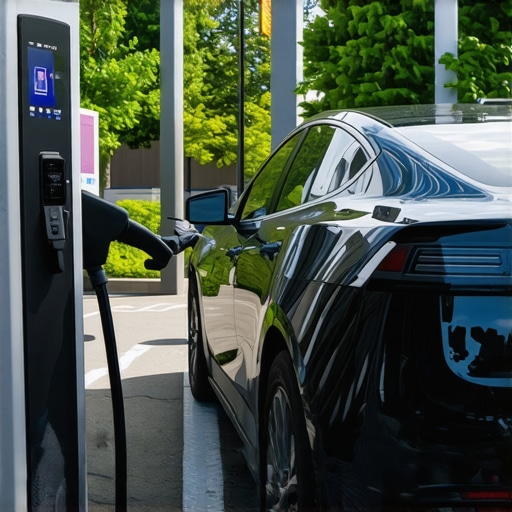
Discovering the World of EV Chargers: A Personal Perspective
As someone who recently transitioned to an electric vehicle, I quickly realized that understanding my EV charger was crucial for a smooth driving experience. I vividly remember the first time I faced a charging issue; it was a bit daunting but also a learning opportunity. Through trial, error, and research, I discovered practical tips that made troubleshooting and installing my EV charger much simpler.
Why Proper Troubleshooting Matters in EV Charging
In my experience, troubleshooting is not just about fixing problems but also about understanding the system better. I learned that many common issues, like slow charging or connection errors, often stem from simple causes such as loose connections or outdated software. For example, I once encountered a situation where my charger wouldn’t recognize my vehicle, which was frustrating until I checked the connections and updated the firmware, following some expert advice from trusted troubleshooting guides.
Key Tips for Safe EV Charger Installation at Home
Installing my EV charger safely was a top priority. I learned that proper electrical wiring and adherence to safety standards are essential. I opted to consult a licensed electrician, which I highly recommend, especially by reviewing guidance from professional installation tips. Ensuring the circuit breaker is correctly rated and using high-quality cables made a significant difference. Remember, safety isn’t just about compliance but about peace of mind during every charge.
What Are the Most Common EV Charger Problems and How Do I Fix Them?
Over time, I faced various issues like charger disconnects or error messages. According to experts, many of these problems can be resolved with straightforward troubleshooting steps, such as resetting the unit or checking the power supply. I found that keeping a log of issues and solutions helps prevent recurring problems. For a comprehensive list of common issues and solutions, I refer to this troubleshooting guide.
How Can I Ensure My EV Charger Remains in Top Condition?
Regular maintenance and inspections are key. I schedule periodic checks to ensure connections are tight, and the software is up-to-date. Also, I avoid exposing the charger to extreme weather, which can cause damage over time. Following expert maintenance tips from top maintenance recommendations has helped me extend the lifespan of my charging station.
If you’re like me, navigating EV charger troubleshooting and installation can seem complex initially. But with patience, proper safety measures, and expert advice, it becomes a manageable part of your EV ownership experience. Feel free to share your own troubleshooting stories or ask questions in the comments below—I love exchanging practical tips with fellow EV enthusiasts!
Deep Dive into the Nuances of EV Charger Troubleshooting
Understanding the intricacies of EV charger troubleshooting goes beyond basic resets and inspections. For instance, subtle issues like fluctuating voltage levels can cause inconsistent charging, which often requires specialized testing equipment and knowledge about your home’s electrical system. A common mistake is neglecting the grounding connections, which can lead to safety hazards or equipment damage. As I learned from expert troubleshooting guides, meticulous diagnostics are essential for identifying root causes that aren’t immediately apparent.
Implementing Preventative Maintenance for Longevity
Preventative maintenance is critical for ensuring your EV charger remains reliable. Regularly inspecting cables, connectors, and the circuit breaker can preempt many issues before they escalate. I schedule bi-annual professional check-ups, especially after extreme weather events, to confirm that all components are in optimal condition. Additionally, keeping software firmware updated, as recommended in top maintenance tips, helps prevent compatibility issues and enhances safety features.
What Are the Cutting-Edge Technologies Shaping EV Charging Maintenance?
Emerging innovations like smart diagnostic systems and IoT-enabled monitoring are transforming how homeowners maintain their EV chargers. These technologies can alert you to potential issues before they cause disruptions, logging data that helps technicians diagnose problems remotely. For example, some models now include self-diagnostic capabilities, which can be crucial for early detection of wiring degradation or software glitches. Staying informed about these advancements is vital for proactive maintenance, ensuring your investment lasts longer and performs better over time.
How Can I Leverage Expert Knowledge to Enhance My EV Charging Setup?
Consulting with licensed electricians who specialize in EV infrastructure can provide tailored advice that aligns with your specific home setup. They can perform comprehensive assessments, suggest upgrades, and implement best practices that might not be obvious to the average homeowner. For instance, upgrading to a higher-rated circuit breaker or installing surge protection can prevent damage caused by power surges and improve overall safety. To facilitate professional assistance, you can reach out through reliable electric services.
For more in-depth knowledge, I highly recommend exploring detailed troubleshooting and installation steps in guides like this comprehensive guide. Sharing your experiences and questions in the comments can also foster valuable community insights, helping everyone navigate the complexities of EV charger maintenance more confidently.
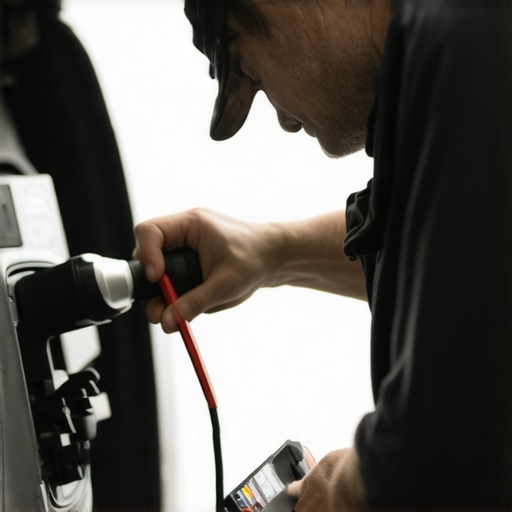
Delving Into the Nuances of EV Charger Maintenance: Lessons from My Experience
As I ventured deeper into the world of electric vehicle charging, I quickly realized that maintenance extends far beyond simple checks. It’s an ongoing journey that requires attention to subtle signs and proactive upgrades. My experience has shown that understanding the intricate behaviors of my charger—like noticing slight fluctuations in charging speed or unexpected error codes—can make a significant difference in preventing major issues later. For example, after noticing intermittent slow charging, I decided to investigate further and discovered that minor corrosion on the connectors was causing contact resistance. Cleaning and applying protective dielectric grease, as recommended in troubleshooting guides, improved performance remarkably.
What Are the Hidden Factors That Impact EV Charger Longevity?
In my personal journey, I learned that environmental factors like humidity, temperature extremes, and even nearby electrical interference play crucial roles in charger longevity. I once experienced a surge of error messages after a particularly stormy week, which prompted me to review my setup. Upgrading to surge protection and ensuring proper grounding, as advised in professional lighting installation tips, proved essential. Additionally, regular inspection of cables and connectors for wear and tear has become part of my routine. These small but vital steps have helped me extend the lifespan of my equipment and maintain optimal charging efficiency.
How Can I Leverage Smart Technology for Preventative Maintenance?
One of the most exciting developments I’ve explored is the integration of smart diagnostic systems. These IoT-enabled devices can monitor real-time data, alerting me to issues before they escalate. For instance, my charger now logs voltage fluctuations and temperature spikes, which I can review remotely through an app. This proactive approach aligns with expert insights from smart electrical tips. Investing in these technologies has been a game-changer, allowing me to schedule maintenance precisely when needed rather than reacting to failures. It’s like having a personal technician watching over my setup 24/7.
What Advanced Troubleshooting Techniques Have I Found Most Effective?
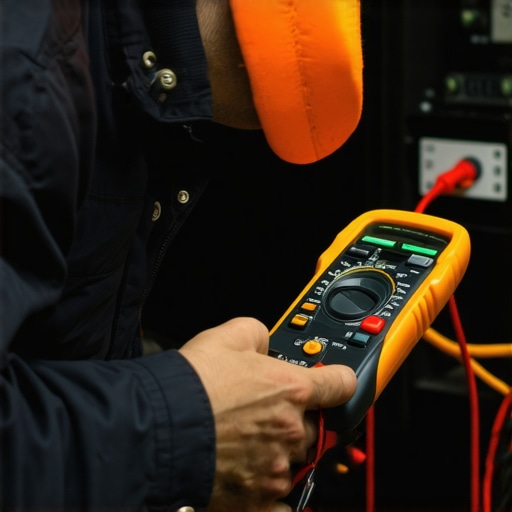
Beyond basic resets and visual inspections, I’ve learned to employ more sophisticated diagnostic tools, such as multimeters and insulation testers, to identify hidden issues. For example, checking the grounding connections with a continuity tester revealed a loose wire that wasn’t apparent visually. Consulting resources like expert troubleshooting tips helped me understand the importance of meticulous diagnostics. Sometimes, resolving a seemingly complex problem involves a simple tightening or replacement of a component. These experiences underscore that patience and detailed knowledge are vital in ensuring my charger’s long-term reliability.
How Do I Stay Informed About Emerging Technologies and Best Practices?
Staying updated has become a passion of mine. I subscribe to industry newsletters, follow expert blogs, and participate in online forums where seasoned electricians share their insights. This continuous learning helps me anticipate future upgrades, such as the latest smart diagnostics or more resilient wiring materials. Exploring comprehensive guides like full installation and troubleshooting resources has empowered me to perform many upgrades myself. I encourage fellow EV owners to engage actively with these communities and share their own experiences, fostering mutual growth and safety in our electric journey.
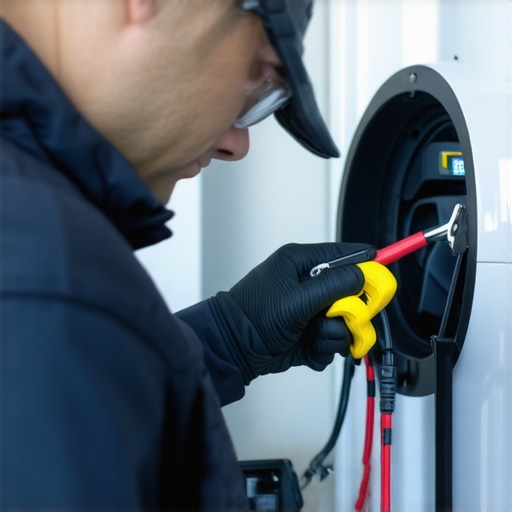
Harnessing the Power of Diagnostic Tools for Precision Troubleshooting
Delving deeper into my maintenance routine, I found that employing specialized diagnostic instruments significantly enhances the accuracy of problem identification. Multimeters, insulation testers, and even thermal imaging cameras have become staples in my toolkit, allowing me to detect issues like subtle wiring degradation or heat build-up that could lead to future failures. Regularly using these tools, guided by expert resources such as troubleshooting guides, empowers me to address potential hazards proactively before they escalate into costly repairs.
Environmental Factors: The Hidden Saboteurs of EV Charger Longevity
My experience has underscored that environmental variables—humidity, temperature fluctuations, and electrical interference—are often underestimated threats to my charging station’s lifespan. Storm-induced power surges and seasonal humidity have necessitated the installation of advanced surge protection devices, which I learned about from professional electrician guides. These measures have proven invaluable, preventing corrosion and electrical failures, especially during extreme weather periods. It’s a reminder that safeguarding your equipment against environmental stresses is a key aspect of maintenance that extends beyond routine checks.
Smart Technology: Transforming Preventative Maintenance into a Seamless Experience
One of the most exciting evolutions in my maintenance approach has been integrating IoT-enabled diagnostic systems. These smart devices continuously monitor voltage, current, and temperature metrics, providing real-time alerts through dedicated apps. For example, I received a notification about minor voltage fluctuations that, if unattended, could have compromised my charger’s internal components. This proactive monitoring aligns with insights from smart electrical tips, illustrating how technology can elevate maintenance from reactive to preventative. Embracing these innovations not only ensures my setup remains optimal but also offers peace of mind, knowing I can intervene before a minor issue becomes a major disruption.
Advanced Troubleshooting: Going Beyond the Surface for Long-term Reliability
My journey into complex troubleshooting revealed that issues often stem from less obvious sources, such as inadequate grounding or subtle wiring faults. Employing advanced diagnostic techniques, like measuring grounding continuity or conducting insulation resistance tests, has allowed me to uncover hidden problems that standard inspections might miss. For instance, loose grounding wires—detected through meticulous testing—could cause erratic charger behavior or safety risks. Consulting expert resources like expert troubleshooting tips has been instrumental in developing these skills. These practices reinforce my belief that thorough diagnostics, combined with patience and precision, are essential for ensuring long-term charger reliability.
How Do I Stay Ahead of Evolving Technologies and Best Practices?
To remain at the forefront of EV charging maintenance, I dedicate time to continuous learning—subscribing to industry newsletters, participating in online forums, and reviewing comprehensive guides such as full installation and troubleshooting resources. This proactive approach helps me anticipate technological advancements like more resilient wiring materials or smarter diagnostic tools. Engaging with expert communities fosters a shared knowledge base, enabling me to implement upgrades that improve safety and performance. I encourage fellow EV owners to embrace this mindset—staying informed and adaptable is the key to maximizing their investment and ensuring a safe, reliable charging experience over time.
< >
>
Things I Wish I Knew Earlier (or You Might Find Surprising)
The Subtle Art of Regular Inspection
I used to think that once I installed my EV charger, my main job was done. However, I realized that small signs like minor corrosion or loose connectors can lead to bigger problems if ignored. Regular inspections, especially after extreme weather, have saved me from unexpected breakdowns and costly repairs. Trust me, a quick check can go a long way.
Environmental Factors Are Secret Saboteurs
Humidity, temperature swings, and electrical interference subtly degrade your charger over time. I learned this the hard way when a storm caused error messages, prompting me to upgrade my surge protection and grounding. Paying attention to environmental influences is vital for longevity.
Smart Tech as Your Maintenance Ally
Integrating IoT-enabled diagnostics has transformed my maintenance routine. My charger now alerts me to issues like voltage fluctuations or overheating before they escalate. This proactive approach, recommended in smart electrical tips, has given me peace of mind and extended my equipment’s lifespan.
Advanced Troubleshooting Techniques Make a Difference
Beyond resets, using multimeters and insulation testers helps identify hidden wiring faults or grounding issues. For example, a loose ground wire detected through meticulous testing prevented a potential safety hazard. These techniques, detailed in expert troubleshooting guides, are invaluable for long-term reliability.
Stay Informed to Stay Ahead
Continuous learning through industry newsletters, forums, and comprehensive guides like full installation and troubleshooting resources keeps me updated on emerging technologies. Sharing insights with fellow EV owners has helped me implement upgrades that improve safety and performance.
Resources I’ve Come to Trust Over Time
- ReliableElectricPro.com: A goldmine for practical troubleshooting guides and expert advice that I personally found trustworthy and comprehensive.
- Industry Newsletters and Forums: Subscribing to these keeps me updated with the latest innovations and best practices in EV charging maintenance.
- Professional Electrician Guides: Recommendations like this guide have helped me understand the importance of professional installation and safety standards.
Parting Thoughts from My Perspective
Maintaining and troubleshooting my EV charger has been a journey of continuous learning. From understanding environmental impacts to leveraging smart technology and advanced diagnostics, I’ve discovered that proactive care is key to reliable EV charging. If this resonates with you, I’d love to hear your own experiences or tips. Share it with someone who might find it helpful, and let’s keep the conversation going—because in the world of EVs, shared knowledge makes us all better prepared for the road ahead.
I recently installed my EV charger and totally agree that proper wiring and safety standards are key, especially as I had a bit of a scare with a connection error early on. After reading through some trusted guides and consulting a licensed electrician, I learned that investing in quality cables and a correctly rated circuit breaker really pays off in the long run. I also started scheduling regular checks, particularly after severe weather, to catch issues before they escalate. It’s fascinating how the latest smart diagnostic systems can alert you to minor voltage fluctuations or overheating, preventing bigger problems. Have others here integrated IoT monitoring into their maintenance routines? I’m curious to hear how effective these systems have been in real life for others and if they’ve truly helped extend equipment lifespan.
Reading through this post really resonated with my experience managing an EV charger at home. Like many others, I initially underestimated the importance of proper installation and routine maintenance. After a few hiccups—such as inconsistent charging speeds and an occasional error message—I started exploring advanced diagnostic tools and learned how subtle wiring issues or environmental factors could cause persistent problems. I remember upgrading to a smart monitoring system that logs voltage and temperature data, which has been a game-changer, allowing me to troubleshoot proactively rather than reactively.
What I found particularly interesting was the emphasis on environmental factors; I live in a humid climate, and corrosion did become a concern that I hadn’t initially considered. Protecting against humidity and installing surge protection has significantly extended my charger’s lifespan.
Has anyone experimented with combining these smart diagnostics with regular physical inspections? I’d love to hear how other tech-savvy owners are blending proactive tech solutions with traditional maintenance practices for optimal results.
Reading this post really resonated with me, especially the emphasis on regular maintenance and the use of smart diagnostics. I recently installed a similar system that logs voltage and temperature data, and I have to say, it has been incredibly helpful in catching issues early before they turn into costly repairs. One challenge I faced initially was understanding how to interpret the data from these smart systems effectively, but I found that keeping a maintenance log alongside the software alerts helped me see patterns and prioritize repairs.
I’m curious, for others who use IoT-based diagnostics, how often do you perform manual inspections to complement the tech? Do you find that relying solely on digital alerts is sufficient, or do you still recommend regular physical checks and maintenance routines? I believe a hybrid approach might be the most effective for ensuring long-term reliability. It would be great to hear about other owners’ experiences in balancing these methods.