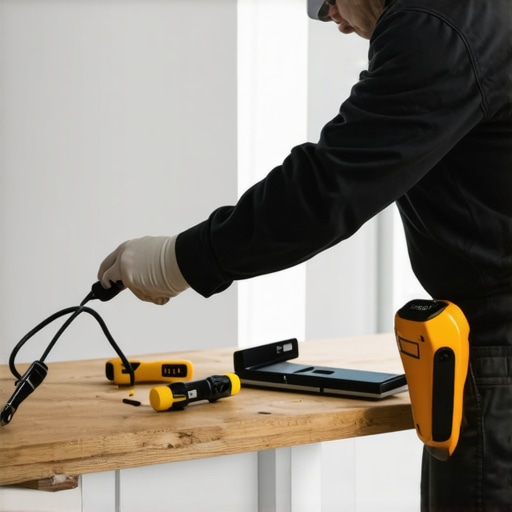
Ever faced that sinking feeling when your newly installed lighting flickers or your EV charger refuses to start charging right when you need it most? I’ve been there, and I know how frustrating it can be. One moment, everything seems perfect; the next, you’re scrambling to figure out what went wrong. That light that was supposed to brighten your evening flickers, or your EV charger flashes an error code — it’s enough to make you question whether your home’s electrical system is truly safe or just a ticking time bomb.
Why Lighting and EV Charging Troubles Can Feel Overwhelming
In my early days of tackling electrical issues, I underestimated just how complex these systems can be. A simple flickering light or a non-charging EV can seem like minor problems, but they often hide deeper electrical faults. If not properly diagnosed and fixed, these issues can escalate into safety hazards or costly repairs. That’s why understanding the root causes and having a solid troubleshooting approach is crucial. With the right knowledge, you can prevent dangerous situations and ensure your home remains a safe haven for your family.
Have you ever been frustrated by an EV charger or lighting problem that just wouldn’t fix itself?
I’ve made my share of mistakes, especially early on. I once tried to fix a lighting flicker by replacing a bulb — a classic rookie move. Turns out, the real issue was a loose connection inside the fixture, which I could have caught with proper troubleshooting. That experience taught me how vital it is to follow expert advice and thorough diagnostic steps. For example, [professional troubleshooting tips](https://reliableelectricpro.com/troubleshooting-electrician-expert-tips-for-lighting-ev-chargers) can save you time and keep your home safe.
Now, I want to help you avoid those common pitfalls. Whether you’re facing flickering lights, failed EV charging, or electrical surges, there are proven methods to identify and fix these problems quickly. In the next sections, I’ll walk you through practical steps to troubleshoot effectively and ensure your electrical system is working flawlessly. Ready to become your own electrical troubleshooting expert? Let’s get started!
Start with Safety and Power Checks
Before diving into complex diagnostics, turn off the power to the affected area at your main electrical panel. This prevents accidental shocks and makes it easier to inspect connections. For example, I once encountered a flickering kitchen light that refused to stabilize. Turning off the breaker allowed me to safely remove the fixture and examine wiring connections.
Inspect for Loose or Damaged Wires
Carefully check all visible wiring connections at the fixture, switch, and junction boxes. Look for loose screws, frayed insulation, or burn marks. In my experience, a loose wire inside a ceiling fixture caused intermittent flickering that was fixed simply by tightening the terminal screws.
Test the Circuit Components
Use a multimeter to verify voltage levels at outlets, switches, and fixture connections. Set the multimeter to AC voltage, and carefully check if power is reaching each point. I recall testing an EV charger outlet that suddenly lost power: the multimeter revealed a tripped GFCI outlet downstream, which I reset to restore charging.
Isolate the Faulty Part
If voltage is present but the device still malfunctions, test the device itself. For example, swap the EV charger with a known working unit or test the light fixture with a spare bulb. This helps determine if the issue lies with the equipment or the wiring.
Check for Overloaded Circuits and Proper Grounding
Overloading can cause flickering or faults. Ensure your circuit breaker matches the load requirements, especially for high-power devices like EV chargers. Also, confirm proper grounding connections to prevent safety hazards. If unsure, consult trusted electricans, or review trusted electrician tips.
Addressing Common Troubles
For flickering lighting, consider replacing old bulbs or upgrading to LED fixtures that handle fluctuations better. For EV charging issues, check the charger’s connection and ensure your home’s electrical system meets the manufacturer’s specifications. Regular maintenance, like cleaning contacts and inspecting wiring, can prevent future problems. Find more expert tips at EV troubleshooting guide.
Document and Call Professionals When Needed
If troubleshooting steps don’t resolve the issue, document your findings and contact a qualified electrician. Sometimes, problems stem from hidden wiring faults or outdated circuits that require professional inspection. When I faced persistent flickering that resisted my efforts, I called a trusted electrician who diagnosed a faulty breaker and upgraded my system for safety and reliability. Schedule a consultation via contact page.
Remember Safety First
Electrical troubleshooting can be dangerous if not done properly. Always wear insulated gloves, use tools with insulated handles, and turn off power before inspecting wiring. When in doubt, seek professional help to ensure your home remains safe and your devices function flawlessly. Protect your investment and your loved ones by following these core steps and consulting trusted resources like electrician troubleshooting tips.
Many homeowners and even some DIY enthusiasts believe they understand the basics of troubleshooting EV chargers and lighting issues, but in reality, there’s a lot more complexity beneath the surface. One common misconception is that replacing parts like bulbs or restarting circuits will always fix the problem. However, as I’ve learned through years of experience, these quick fixes often ignore underlying wiring faults or improper grounding that can cause recurring issues or safety hazards. For example, a loose connection inside a fixture might seem minor but can lead to flickering or even fire risks if left unaddressed. It’s essential to follow a thorough diagnostic process, including inspecting wiring connections and testing circuit components with a multimeter, as highlighted in professional troubleshooting guides.
Another trap many fall into involves assuming that high-quality equipment alone guarantees reliable performance. While premium EV chargers and lighting fixtures do reduce some risks, they are not immune to faults caused by improper installation or circuit overloads. Often, I see homeowners neglect to verify that their circuits are adequately rated for high-power devices like EV chargers, which can lead to tripped breakers and charging failures. Ensuring proper circuit design and grounding is crucial, and consulting trusted electricians can prevent these issues from escalating.
Now, for the advanced readers asking, “How do I identify hidden wiring faults that aren’t visible during typical inspections?” the answer lies in leveraging detailed diagnostic techniques, such as performing insulation resistance tests or using thermal imaging to detect hot spots indicating poor connections. Studies suggest that most electrical failures are caused by unseen wiring degradation, which can be uncovered with specialized tools and professional expertise. For instance, a thermal camera can reveal overheating wires behind walls, preventing potential fires and costly repairs. Regular professional inspections can catch these hidden faults before they cause serious problems, which is why I recommend referring to expert resources like trusted electrician tips.
Finally, a word of caution: never underestimate the importance of proper safety protocols. Always turn off power at the main panel before inspecting or working on wiring. Use insulated tools and wear protective gear to avoid shocks. Remember, electrical troubleshooting is not just about fixing problems but ensuring your home remains safe. If in doubt, professional consultations are invaluable, and you can easily schedule one through our contact page.
In sum, understanding the hidden nuances and avoiding common myths can save you time, money, and potential hazards. Keep learning, stay cautious, and don’t hesitate to seek expert advice when needed. Have you ever fallen into this trap? Let me know in the comments.
Keeping your electrical systems in top shape requires the right set of tools and a consistent maintenance routine. From troubleshooting EV chargers to lighting upgrades, knowing which equipment to use and how to maintain it over time can save you headaches and ensure safety. In this article, I’ll share the specific tools I rely on daily, along with proven methods to keep your installations working smoothly for years to come.
Invest in a High-Quality Multimeter for Precise Diagnostics
A reliable multimeter is the cornerstone of troubleshooting electrical issues. I personally prefer a digital clamp meter that can measure voltage, current, and resistance without needing to disconnect wires. It saves time and reduces the risk of accidental shocks. For example, when testing an EV charger outlet, I use a multimeter to verify voltage levels and confirm proper grounding. Look for models with auto-ranging capabilities and true RMS readings — essential features that help you diagnose complex circuits accurately.
Use Thermal Imaging Cameras to Detect Hidden Faults
One tool I highly recommend is a thermal imaging camera. This device allows me to spot hotspots behind walls or in junction boxes, indicating loose connections or overloaded circuits. Regular inspections with thermal cameras can prevent fires and costly repairs by catching problems early. As the trend in electrical maintenance shifts towards predictive diagnostics, these cameras are becoming a staple in my toolkit, especially for inspecting lighting fixtures and EV charging stations.
Maintain Your Systems with Routine Checks and Software Updates
Beyond physical tools, software plays a vital role in maintaining your electrical setup. For EV chargers, ensure the firmware is up to date. Manufacturers often release updates that improve performance and fix bugs. I regularly check the manufacturer’s app or website for updates, which can enhance charging reliability and efficiency. Additionally, scheduling routine inspections with a licensed electrician can extend the lifespan of your systems. They can verify grounding, check circuit breakers, and ensure your wiring adheres to current standards — a vital step in long-term maintenance.
How do I keep my electrical systems working flawlessly over time?
Consistent maintenance begins with a detailed inspection schedule. This includes cleaning contacts, tightening loose connections, and replacing worn components before they fail. For lighting installations, I recommend using LED fixtures with surge protection, as they handle fluctuations better and last longer. For EV chargers, regular cleaning of connectors and verifying cable integrity prevents unexpected failures. Consider documenting your inspections and repairs; this log helps identify recurring issues and informs your future maintenance decisions. To ensure safety and compliance, always follow professional guidelines, and when in doubt, consult experienced electricians. They can perform comprehensive diagnostics using tools like insulation resistance testers and thermal cameras, which are invaluable for uncovering hidden faults — learn more about these techniques at trusted electrician tips.
Finally, stay ahead of the curve by adopting smart monitoring systems that alert you to potential issues before they escalate. As technology evolves, these solutions will become more affordable and integrated, offering real-time diagnostics and remote management. Start by trying out a dedicated electrical monitoring app for your EV charger or lighting system — it’s a game-changer for proactive maintenance and peace of mind.
The Hardest Lesson I Learned About EV charger troubleshooting and lighting installations
One of the most eye-opening lessons I encountered was realizing that many electrical issues stem from subtle wiring faults, not just faulty components. For instance, I once replaced a flickering LED bulb only to find the problem persisted. It was a loose connection behind the fixture that caused the flicker, a detail I overlooked initially. This taught me to always inspect wiring connections thoroughly before replacing parts.
How to Spot What Others Miss in Electrical Troubleshooting
Early in my DIY journey, I underestimated the importance of proper testing equipment. Upgrading to a high-quality multimeter and learning to use thermal imaging cameras changed everything. These tools revealed hidden hot spots and faulty wiring that aren’t visible to the naked eye. Now, I routinely incorporate these diagnostics, especially when dealing with persistent EV charger or lighting issues, to prevent safety hazards and costly repairs.
What I Wish I Knew Before Attempting Repairs
Patience and adherence to safety protocols are paramount. I once attempted a repair without turning off the main power, which nearly resulted in a shock. Since then, I always double-check that power is off and wear insulated gloves. Remember, even seemingly simple fixes can hide dangerous risks if not approached with caution. Professional guidance from trusted sources such as trusted electrician tips can save lives and prevent damage.
Curated Resources for Deepening Your Knowledge
My Essential Toolkit for EV Troubleshooting includes a reliable multimeter and thermal camera, which I trust for their accuracy and durability. I also recommend reading electrician troubleshooting guides to understand nuanced diagnostic procedures. Lastly, subscribing to specialized blogs and forums keeps me updated on the latest safety standards and tech advancements, ensuring my troubleshooting remains effective and safe.
Your Next Step to Confident Troubleshooting
Taking control of your EV charger and lighting system troubleshooting is empowering. With the right tools, safety practices, and continuous learning, you can resolve many issues without delay. Remember, every problem you solve enhances your skills and confidence, making your home safer and more reliable. Start small, stay cautious, and don’t hesitate to seek professional advice when needed. Your home’s electrical health depends on it!
Have you ever caught a wiring fault that others might overlook? Share your experience below — I’d love to hear your story!
This post really resonates with my recent experience trying to troubleshoot flickering lights in my home office. I initially thought it was just a bad bulb, but after replacing it and still having flickers, I started inspecting wiring connections, which revealed a loose terminal inside the fixture. It’s a good reminder that sometimes, the root cause is hidden behind the obvious. I also use a thermal imaging camera for more complex issues, especially with circuit overloads or hidden faults behind walls. Handling electrical problems safely is always my priority—I make sure to turn off the main breaker and wear insulated gloves before any inspection. Have others here used thermal imaging for home diagnostics? I’d love to hear how effective it has been for you in catching hidden wiring issues before they turn into bigger hazards.