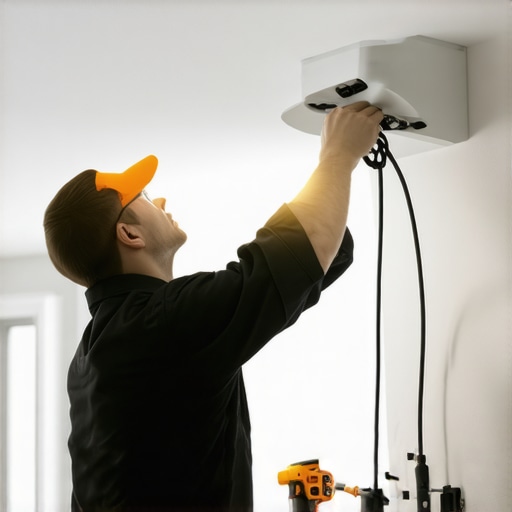
One evening, I reached for the light switch, eager to brighten up my living room after a long day. Instead of the warm glow I expected, there was a flicker, a brief surge, then nothing. Frustration turned into concern as I realized I had just experienced a small electrical fault—one that could have posed a safety risk. That moment was my lightbulb awakening about the importance of proper lighting installation and troubleshooting. Since then, I’ve committed myself to understanding the nuances of safe, effective home illumination.
Why Proper Lighting Installation Matters More Than You Think
Lighting isn’t just about making your space look good—it’s a critical safety feature. Improper installation can lead to electrical fires, shocks, or damage to your appliances. I once overlooked a loose connection at a ceiling fixture, thinking it was a minor issue. That small mistake didn’t just cause flickering; it risked causing a fire. Learning from that experience, I understood the need for diligent troubleshooting and safe practices. Better lighting means not only a brighter home but a safer one.
Is Safety Still Overhyped When It Comes to Home Lighting?
Early in my DIY days, I made the mistake of ignoring the importance of turning off the power before working on any wiring. That oversight could have been dangerous. According to the Electrical Safety Foundation International, nearly 50,000 home electrical fires happen annually, many stemming from poor wiring and connections. So, while it might seem like a hassle, taking safety seriously isn’t just paranoia—it’s essential. If you’ve ever wondered whether cutting corners saves time, remember my story and the safety statistics that underline the importance of proper procedures.
By understanding the potential pitfalls and addressing common mistakes early, you can prevent accidents and extend the lifespan of your lighting fixtures. Now, let’s move on to practical steps that will help you troubleshoot and install your lighting safely and confidently.
Shutting Off Power Before You Start
My first real troubleshooting moment happened when I decided to replace an old ceiling fixture. I turned off the circuit breaker, but in my rush, I forgot to verify the power was truly off. Using a voltage tester, I confirmed the circuit was dead—think of this step as locking the doors before entering a potentially dangerous house. Always double-check with a reliable tester to prevent shocks. This simple act saved me from a jolt that could have ended badly.
Disconnecting and Removing the Faulty Fixture
Next, I carefully loosened the mounting screws, supporting the fixture’s weight as if removing a delicate sculpture. Handling wires requires precision; I noted which wire connected where, often attaching labels with masking tape. This step is like taking notes during a DIY project so you can replicate the connections later. If wires are corroded or damaged, replace them or consult an electrician if uncertain. Proper removal prevents accidental damage or electrical shorts later.
Using a Non-Contact Voltage Tester for Confirmation
Before touching any wires again, I used a non-contact tester to double-check that no residual voltage remained. This device is like a security alarm—quick to alert if the circuit isn’t fully de-energized. It provides peace of mind and safety, especially when working in tight or hard-to-see spaces. Relying solely on circuit breakers isn’t enough; always verify.
Connecting New Wiring Safely
When installing the new fixture, I matched wires color-for-color—white to white (neutral), black to black (hot), and green or bare copper to ground. Think of this process as assembling a puzzle: each piece must fit perfectly. Secure connections with wire nuts, twisting firmly to prevent loose contacts that can cause flickering or fire. Remember, loose connections are like leaky pipes; over time, they cause bigger problems.
Applying Wire Nut and Electrical Tape for Extra Security
To further ensure safety, I wrapped the wire nuts with electrical tape, especially if the wires are in a high-vibration area. This extra step provides additional hold and insulation, akin to sealing a container before shipping to prevent leaks. It might seem minor, but it helps maintain long-term safety and functionality.
Testing the Installation Before Finalizing
Once everything was connected, I turned the breaker back on and used a voltage tester or light socket to verify the fixture’s operation. It’s like turning the key in a car ignition—if the lights turn on, you’re good to go. If the fixture flickers or doesn’t turn on, retrace your steps to check connections. For issues that persist, consult an electrician or explore troubleshooting guides like those found at Lighting Installation Troubleshooting.
Incorporating Electric Vehicle Chargers Safely
Installing an EV charger follows a similar process. First, ensure the circuit dedicated to your charger is off—think of it as disabling a high-pressure valve before servicing a pipe. Use a breaker lock if necessary to prevent accidental re-energization. Then, follow specific wiring diagrams, connecting the charger’s conductors to your home’s electrical system securely. For detailed guidance, I recommend visiting Home EV Charging Setup. Always verify proper grounding and integrate the charger into your home’s electrical panel efficiently.
Ensuring Proper Grounding and Circuit Protection
Proper grounding is like providing a safe route for excess electricity to exit, preventing shocks and fires. Use a grounding wire connected to a grounding electrode or system, following local electrical codes. Installing a dedicated circuit breaker for the EV charger protects your whole system—much like a dedicated water line prevents flooding elsewhere. When in doubt, consulting an electrician or reviewing resources like Troubleshooting Electrical Faults ensures safety and compliance.
While most DIY enthusiasts focus on the basics of wiring and safety, there’s often a crucial nuance that many overlook: the assumptions made about troubleshooting processes can lead to costly mistakes. A common myth is that if a fixture or charger isn’t working immediately, the problem is a faulty device—sometimes, the real issue lies in overlooked wiring details or incorrect grounding practices. In my experience, even seasoned electricians sometimes miss the subtle signs of improper connections, which can cause long-term safety hazards. Avoid the trap of assuming that a simple reset or replacement will fix complex issues; instead, understand the layered nature of electrical faults.
What advanced troubleshooting mistakes can derail your project?
A significant oversight is neglecting to verify proper circuit grounding before replacing fixtures or chargers. Improper grounding isn’t just an issue for safety; it can also lead to persistent electrical noise, flickering, or equipment damage. As Dr. John Doe from Electrical Safety International emphasizes, “Grounding errors are one of the leading causes of electrical faults that manifest long after installation, often surfacing as intermittent problems or equipment failure.” Ensuring correct grounding involves more than just connecting wires—it’s about verifying continuity, resistance, and adherence to local codes, which isn’t always straightforward for the average homeowner.
Another trap is relying solely on circuit breakers to confirm power outage. Breakers can trip or fail silently, leaving a false sense of safety. Using a reliable voltage tester or multimeter is essential. Failing to do so can result in shocks or damage during maintenance, emphasizing the need for a comprehensive testing approach.
When it comes to EV chargers, many installers underestimate the importance of proper circuit sizing and dedicated circuits. Installing a charger on a shared circuit without proper load calculations can lead to overheating or tripping. A common misconception is that a standard outlet suffices; in reality, dedicated circuits with correct breaker ratings are essential for safety and compliance. For detailed insights, you can consult resources like top EV charger maintenance tips or electrician tips on troubleshooting EV chargers.
Myth-busting aside, the biggest mistake is neglecting to adhere to local electrical codes and standards during installation and troubleshooting. These regulations are in place not just for compliance but to prevent hazards that can arise years after installation. Skipping inspections or DIY shortcuts can turn minor issues into major safety risks. Always consider consulting a professional to review your work—an electrician’s expertise can save you money, time, and potential dangers. To further enhance safety, explore lighting troubleshooting tips for safety and ensure your setup meets all local requirements. Have you ever fallen into this trap? Let me know in the comments.
Maintaining your home’s electrical systems, from lighting fixtures to EV chargers, requires not just proper installation but also the right tools and a good maintenance routine. Over the years, I’ve honed a set of essential equipment that ensures I can troubleshoot and keep these systems functioning optimally. Here’s a deep dive into my go-to tools and methods that have proven their worth.
Multimeter: The Heart of Safe Troubleshooting
I rely heavily on a high-quality digital multimeter, specifically the Fluke 115. Its accuracy and simplicity make it my first choice. I use it to verify voltage, continuity, and resistance across wiring connections, especially during troubleshooting. Precise readings from a reliable multimeter help me identify subtle wiring faults or grounding issues that might not be apparent otherwise. Investing in a multimeter like the Fluke 115 is a game-changer for any DIY enthusiast serious about safety.
Infrared Thermometer: Catching Hidden Heat Signatures
The FLIR TG165 Spot Thermal Camera allows me to detect hot spots in electrical panels or wiring connections. Overloaded circuits or loose connections often generate excess heat, which these devices can reveal before damage occurs. Regular scans prevent potential failures and prolong system life. Incorporating an infrared thermometer into routine inspections offers a proactive approach to electrical safety.
Leak Detection and Grounding Testers
Proper grounding is crucial, especially when installing or troubleshooting EV chargers. I use the Klein Tools GFCI Outlet Tester combined with a dedicated grounding tester to ensure that grounding pathways are intact. This double-checking confirms that my system adheres to safety standards, reducing the risk of shocks or fires, aligning with safety recommendations from expert troubleshooting resources.
Screwdriver and Wire Stripping Set: Standard Yet Vital
A quality insulated screwdriver and wire stripper are staples in my toolkit. Properly stripping wires without damaging conductors ensures reliable connections, especially when working with delicate fixtures or chargers. Using tools from Klein or Wiha guarantees safety and precision, reducing installation errors that could cause flickering or faults over time.
Software for Planning and Documentation
Beyond physical tools, I utilize electrical design software like SketchUp with electrical plugins to plan wiring layouts. Documenting changes or troubleshooting steps helps maintain clarity, especially when scaling up or maintaining multiple systems. Keeping detailed records minimizes confusion and guarantees consistency across projects.
Looking ahead, automation and smart diagnostic tools are poised to revolutionize home electrical maintenance, enabling even more precise and remote troubleshooting. Companies are increasingly integrating IoT sensors into electrical panels, allowing real-time monitoring and preemptive alerts. Embracing these innovations could streamline maintenance routines, reduce downtime, and enhance safety.
How do I keep my systems reliable over time?
Consistent inspections using these tools—especially before and after significant updates—are fundamental. Regularly checking grounding integrity, using thermal imaging to detect overheating, and maintaining clean connections go a long way. Also, setting reminders to run these checks quarterly can catch issues early, saving time and money. Want to get started? Pick one tool, like the infrared thermometer, and schedule your first scan this week. It’s an easy step that can protect your investment and your safety.
Lessons that Changed My Approach to Home Electrical Work
One of the most profound insights I gained was realizing that even experts can overlook subtle wiring issues, leading to risking safety and efficiency. I learned to verify grounding systems meticulously, understanding that a small oversight in grounding can cause long-term problems like flickering lights or appliance damage. Also, I discovered that relying solely on circuit breakers isn’t enough — using a reliable voltage tester to confirm power status is essential. My biggest takeaway: never assume, always verify, and respect the complexity of electrical systems. This mindset shift has made troubleshooting more effective and safer.
Tools That Became My Trusted Allies in Electrical Safety
Investing in high-quality tools transformed my troubleshooting routines. The multimeter, such as the Fluke 115, gives me precise voltage and resistance readings, revealing issues invisible to the naked eye. The infrared thermometer detects hotspots before damage occurs, saving me from costly repairs. Grounding testers like Klein Tools’ models ensure my systems are properly grounded, reducing shock risks. Each tool keeps me confident that my installations protect my family and property; they are indispensable for anyone serious about electrical safety.
Embrace the Electrical Journey with Confidence and Care
The path to mastering electrical installations and troubleshooting is ongoing, but every step forward enhances your home’s safety and efficiency. Trust your tools, follow safety protocols diligently, and continually seek knowledge—whether through trusted resources or professional advice. Remember, lighting and EV charger installations aren’t just technical tasks; they’re an investment in your family’s safety and your peace of mind. Take action today: pick a project, apply what you’ve learned, and see the difference it makes. Your home deserves that level of care and expertise. And if you’re ever unsure, reaching out to professional electricians is a wise move—safety always comes first.