
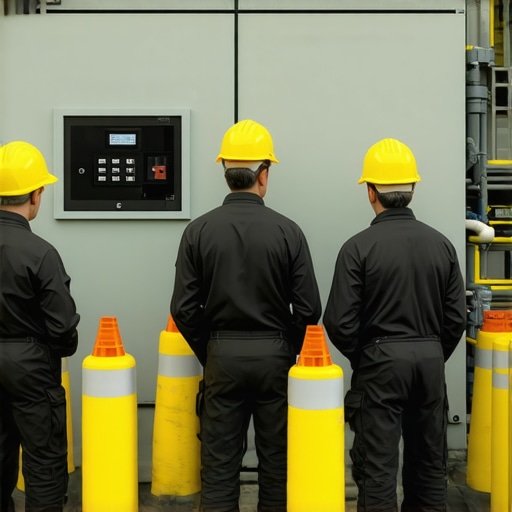
The Smell of Ionized Air and the Illusion of Safety
You walk into a basement, the air is thick with the scent of ozone and something else—charred dust. That’s the smell of a system that’s been screaming for help for a decade. Homeowners see a light switch that works; I see a 1970s Zinsco panel that is essentially a high-voltage pipe bomb waiting for a catalyst. When we talk about protecting a crew, we aren’t just talking about wearing gloves. We are talking about the physics of energy release that can turn a copper bus bar into a cloud of plasma in milliseconds. This isn’t a DIY playground. This is forensic reality.
The Flipper Special: A Forensic Case Study
I recently walked into what looked like a high-end chandelier installation in a ‘fully renovated’ Victorian. The flipper had spent a fortune on marble countertops but pennies on the guts of the house. As I pulled the old box to secure the new fixture, my tick tracer started chirping three inches from the plaster. I didn’t even have the switch on. The flipper had used masking tape—yes, masking tape—to join old ungrounded Romex to new leads, then buried the whole mess behind a layer of fresh drywall. If I hadn’t been using my head, that chandelier installation would have turned into a structure fire the first time the homeowner dimmed the lights. This is why we treat every wall cavity like a potential crime scene.
“Aluminum wire connections can overheat and cause a fire without tripping the circuit breaker.” – CPSC Safety Alert 516
The Physics of the Flash: Why Boundaries Matter
An arc flash is not just a spark; it is a massive failure of air as an insulator. When a phase-to-phase or phase-to-ground fault occurs, the air becomes ionized, creating a path for current. The temperature can reach 35,000 degrees Fahrenheit—four times hotter than the surface of the sun. At those temperatures, metal doesn’t just melt; it sublimates. Copper expands to 67,000 times its original volume when it turns to gas. This is why NFPA 70E establishes specific safety boundaries. The Limited Approach Boundary is for unqualified people. The Restricted Approach Boundary is where the shock hazard is real. But the Arc Flash Boundary is the most critical: it’s the distance where the incident energy is 1.2 calories per square centimeter, the exact amount of heat required to cause a second-degree burn on unprotected skin.
The Mid-Century Time Bomb: Aluminum Wiring and Cold Creep
If your home was built between 1965 and 1973, you likely have a ticking clock behind your drywall. Aluminum wiring was the ‘solution’ when copper prices spiked, but it came with a fatal flaw: thermal expansion. Aluminum expands and contracts at a much higher rate than copper. This phenomenon, known as ‘Cold Creep,’ causes the wire to slowly back out of screw terminals on outlets and breakers. This creates a high-resistance gap. High resistance creates heat. Heat creates an oxide layer that is even more resistive. Eventually, you get a series arc that can burn through a plastic junction box before the breaker even thinks about tripping. For these homes, aluminum wiring repair isn’t a suggestion; it is a life-saving necessity. We use AlumiConn connectors or COPALUM crimps to create a permanent copper-to-aluminum interface that won’t vibrate loose. If you are experiencing flickering lights or warm cover plates, you need to look into how electricians tackle troubleshooting before that resistance becomes a fire.
The Infrastructure Crisis: Load Center Upgrades and Subpanels
Modern life is hungry. A 100-amp service from 1960 was designed for a few lights and a toaster. Today, we are adding EV chargers, hot tubs, and high-end recessed lighting installation packages. When you overload an old load center, you aren’t just tripping breakers—you are stressing the bus bars. I’ve seen old Federal Pacific ‘Stab-Lok’ panels where the breakers jammed and wouldn’t trip even under a dead short. We call those ‘Widow Makers.’ A proper load center upgrade involves more than just swapping the box. We are looking at the service mast, the grounding rods (two of them, eight feet deep, six feet apart), and ensuring the ‘Home Run’ wires are sized correctly for the new demand. When we do a subpanel installation for pool pump electrical, we have to be hyper-aware of the bonding grid. Water and electricity are looking for any reason to get together, and my job is to keep them permanently divorced.
“The employer shall ensure that only qualified persons are permitted to work on electrical circuit parts or equipment that have not been de-energized.” – NFPA 70E Standard for Electrical Safety
Advanced Diagnostic Tools: From Wiggies to Augmented Reality
In the old days, we relied on a Wiggy—a solenoid-based voltage tester that would vibrate in your hand. It was rugged and reliable. Today, we’ve added augmented reality troubleshooting to our arsenal. By using AR overlays, we can visualize the circuitry behind the walls without ever making a cut. We can see the thermal signature of a failing breaker or a loose neutral in a temporary power services setup on a job site before it reaches the point of ignition. This tech allows us to maintain the Restricted Approach Boundary while still getting the data we need. Whether we are doing a ceiling fan installation or a complex ethernet wiring services project, we use these tools to ensure we aren’t walking into a trap set by a previous ‘handyman.’ If you are worried about your current setup, it’s time to stop guessing and contact us for a forensic inspection. We don’t just fix wires; we secure your peace of mind by ensuring every lug is torqued to spec and every arc is contained.