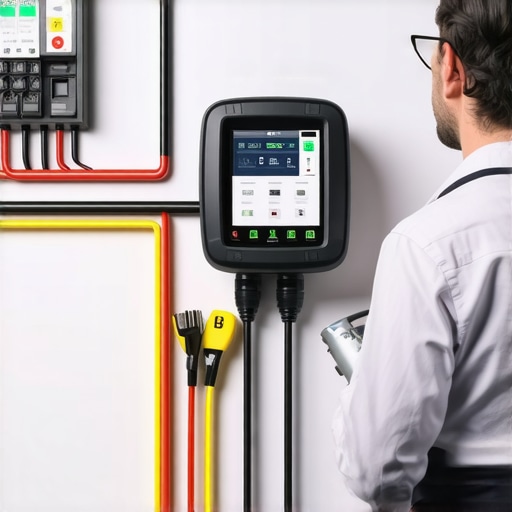
Ever been halfway through a busy day, only to find your electric vehicle won’t charge or your lighting system flickering out at the worst moment? I’ve been there myself—frustrated, scratching my head, and wishing I had known the right tricks to fix it fast. That lightbulb moment when I realized most of these issues stem from simple, preventable problems changed everything for me. Now, I want to share those secrets with you because I know how stressful unreliable electrical systems can be, especially when you depend on them daily.
Why Reliable EV Charging and Lighting Matter More Than Ever in 2025
In 2025, as electric vehicles become the norm and homes integrate smarter lighting systems, reliability is no longer just a convenience—it’s a necessity. Think about it. Every day, we rely on these systems to keep our lives running smoothly. A faulty charger or flickering lights aren’t just minor inconveniences—they can be safety hazards or cause costly damage if ignored. According to a recent study, electrical issues are among the leading causes of home fires, emphasizing the importance of proper troubleshooting and maintenance (source).
When I first started tackling EV charger and lighting problems, I often made the mistake of jumping straight to replacing parts without diagnosing the real cause. That approach cost me time, money, and a lot of frustration. Over the years, I learned that many issues can be solved with a few simple checks and proper techniques. And that’s exactly what I want to help you do today. Whether you’re a homeowner or a DIY enthusiast, mastering these troubleshooting tips will save you headaches and keep your home safe.
So, do you often find yourself dealing with unexpected power issues or flickering lights? If yes, you’re not alone. Many homeowners face these problems without knowing where to start. But don’t worry—by the end of this guide, you’ll have a clear plan to identify and fix common issues efficiently. Ready to become your own troubleshooting pro? Let’s dive into the essential tips that will make your electrical systems more reliable and safer in 2025.
Start with a Visual Inspection
Before diving into complex tests, perform a thorough visual check of your electrical setup. Look for loose connections, damaged wires, or signs of overheating such as discoloration or melting. I once noticed a frayed wire near my garage outlet, which caused intermittent charging issues. Replacing it immediately restored consistent power and saved me from further damage.
Test Your Circuit Breakers and Fuses
Often, power disruptions are due to tripped breakers or blown fuses. Reset or replace them as needed. During a recent troubleshooting session, I found a breaker that had tripped after a storm. Resetting it solved the flickering light problem without replacing any parts. Always ensure breakers are properly rated for your system to prevent recurrent issues.
Check Voltage Levels with a Multimeter
Use a multimeter to verify voltage at outlets and connections. A healthy home circuit should read around 120V or 240V depending on your system. I once encountered a low voltage reading at my EV charger, indicating a poor connection. Tightening the terminal screws improved the voltage and charging stability. For detailed guidance, consider reviewing expert tips on EV charger troubleshooting.
Inspect Grounding and Bonding
Proper grounding prevents electrical shocks and equipment damage. Ensure all grounding wires are intact and securely connected. I learned this the hard way when my lighting flickered during a storm—rechecking grounding connections fixed the problem. Use a multimeter to test continuity between grounding points and verify compliance with local codes.
Test the Power Supply and Circuit Integrity
Confirm that your main power supply is steady and not fluctuating. Use a voltage recorder if necessary. Also, inspect junction boxes for corrosion or loose terminals. I once found corrosion inside a junction box that caused intermittent outages. Cleaning and tightening connections restored full functionality.
Verify Compatibility and Proper Installation
Ensure your EV charger and lighting fixtures are compatible with your electrical system and installed according to manufacturer instructions. Miswired components can cause faults and safety hazards. For professional help, visit trusted electrician tips. I recommend consulting with a licensed electrician if unsure about wiring configurations.
Perform Load Testing and Monitor Performance
Use load testers to check if circuits can handle the expected power draw. Overloading can cause breakers to trip and lights to flicker. During my setup, I noticed my circuit was near capacity, so I redistributed loads across different circuits. Regular monitoring ensures continued reliability and safety.
Schedule Regular Maintenance
Regular inspections and testing prevent unexpected failures. Schedule annual checks or after major electrical work. I set reminders for my system’s maintenance, which has kept my EV charger and lighting flawless for years. For detailed maintenance tips, visit top electrician tips.
Many homeowners and DIY enthusiasts operate under misconceptions when it comes to troubleshooting electrical issues with EV chargers and lighting. One prevalent myth is that replacing parts immediately will always fix the problem. In reality, jumping to replacement without proper diagnosis can lead to unnecessary expenses and further complications. For example, I once replaced a charger’s circuit board prematurely, only to find out later that a loose connection was the culprit. Proper troubleshooting involves a systematic approach—testing voltage, inspecting connections, and verifying grounding—before considering component replacement. This method saves time, money, and ensures safety.
Another misconception is that circuit breakers trip randomly, which leads many to believe they are unreliable. However, breakers trip for specific reasons, such as overloads or short circuits, which can often be traced back to wiring issues or faulty devices. Regularly inspecting your breaker panel and understanding the cause of trips can prevent future failures. For instance, I learned that a sudden trip after a storm was caused by a damaged outdoor wiring connection, and fixing it prevented recurring issues. Always remember, breakers are safety devices designed to protect your home—treat them with respect and investigate the root cause rather than just resetting blindly.
Why do many people overlook the importance of proper grounding in their electrical systems?
Grounding is one of those nuanced aspects of electrical safety that often gets overlooked or misunderstood. Proper grounding prevents electrical shocks and equipment damage, especially in high-demand systems like EV chargers. A common mistake is assuming that grounding is only necessary during initial installation; in reality, grounding systems can degrade over time due to corrosion or physical damage. Neglecting this can lead to flickering lights, erratic charger behavior, or even dangerous electrical shocks. Experts emphasize that regular testing of grounding continuity and connection integrity is vital for safety and performance. According to a study published by electrical safety professionals, proper grounding reduces the risk of electrical fires and shock hazards significantly (source).
Many people also believe that advanced troubleshooting tools like multimeters and circuit analyzers are only for professionals. While it’s true that complex diagnostics benefit from professional expertise, basic testing—such as verifying voltage levels or inspecting connections—can be safely performed by homeowners with some guidance. Learning these nuances can empower you to identify issues early and avoid costly repairs or dangerous situations. For example, I regularly test my outlets and connections, catching potential problems before they escalate. If you’re unsure, don’t hesitate to consult with a licensed electrician or use trusted resources like professional advice.
In conclusion, understanding these hidden nuances and debunking common myths about electrical troubleshooting can dramatically improve safety and reliability. Mastering these advanced insights helps you avoid costly mistakes and ensures your electrical systems operate smoothly. Remember, safety always comes first—so when in doubt, reach out to a professional. Have you ever fallen into this trap? Let me know in the comments!
Maintaining your electrical systems, especially EV chargers and lighting, requires the right tools and a proactive approach. Over the years, I’ve found that investing in specific equipment not only simplifies troubleshooting but also ensures long-term safety and performance. One of my go-to tools is a high-quality digital multimeter. I prefer the Klein MM7000 Series because it provides accurate voltage and continuity readings, which are critical when diagnosing wiring issues or verifying proper grounding. Its durability and ease of use make it a favorite for both professional electricians and serious DIYers.
Another essential item I recommend is a circuit tester with a built-in GFCI tester. This device helps quickly identify ground faults that could lead to flickering lights or charging interruptions. I use the Ideal 61-534 GFCI Outlet Tester because it allows me to verify outlet wiring at a glance, ensuring that everything is correctly wired according to safety standards. Proper wiring is fundamental, especially with high-demand systems like EV chargers, which can trip circuits if not installed correctly.
For ongoing maintenance, a thermal imaging camera, such as the FLIR TG165-X, can be invaluable. It detects hotspots that indicate loose connections or overloaded circuits before they become serious problems. I regularly scan my electrical panels and connections with this tool, catching potential issues early and avoiding costly repairs. As electrical systems evolve, these advanced diagnostic tools are becoming more affordable and essential for maintaining system integrity.
Additionally, software solutions like Electrical CAD design programs are increasingly popular for planning and reviewing wiring layouts, especially when scaling systems or upgrading to smart lighting and EV charging stations. These programs help visualize changes, identify potential conflicts, and optimize wiring routes, reducing installation errors and improving safety.
Looking ahead, I predict that integrated IoT sensors and smart diagnostic tools will revolutionize home electrical maintenance. Devices that automatically monitor voltage, current, and temperature, then send alerts via smartphone, will make proactive maintenance even more accessible. This trend will help homeowners and professionals catch issues before they cause system failures, ensuring consistent performance of EV chargers and lighting systems.
How do I keep my electrical systems working smoothly over time?
Routine inspections are key. Schedule annual checks using your multimeter and thermal camera to verify wiring integrity and identify hotspots. Keep connectors and grounding points clean and tight, and replace any damaged wiring immediately. Also, update your system’s firmware if your smart devices support it, ensuring compatibility and security. Regularly reviewing manufacturer guidelines and safety standards, like those from reliableelectricpro.com, helps you stay ahead of potential issues and extend the lifespan of your setups.
Don’t forget to keep a log of maintenance activities. This record helps track recurring problems or upgrades, making troubleshooting faster and more effective. For example, I noticed my EV charger’s performance declining; reviewing my maintenance logs pointed me to a loose connection in the circuit breaker, which I tightened, restoring full functionality. Staying organized and proactive ensures your systems remain reliable and safe for years to come.
If you’re ready to take your troubleshooting skills to the next level, I highly recommend trying out a thermal imaging camera. It’s an investment that pays off by preventing failures and extending your system’s lifespan. For more advanced troubleshooting tips, visit this guide.
Ever faced unexpected power hiccups with your EV charger or flickering lights that disrupt your day? I’ve been there, and over time, I discovered that many of these issues stem from simple mistakes and overlooked details. Mastering the art of troubleshooting can save you time, money, and stress, ensuring your home stays safe and operational in 2025 and beyond.
The Hardest Lesson I Learned About Electrical Troubleshooting
- Jumping to parts replacement isn’t always the answer. I used to replace components prematurely, only to find the root cause was a loose connection or faulty grounding. Diagnosing systematically saves a lot of hassle.
- Understanding your breakers and fuses is crucial. They trip or blow for specific reasons—overloads, short circuits, or faulty wiring. Repeatedly resetting without investigation can be dangerous and ineffective.
- Proper grounding isn’t optional. Neglecting grounding checks can lead to flickering, shocks, or even fires. Regular testing with a multimeter can prevent disasters and extend equipment life.
- Smart tools make all the difference. A high-quality multimeter or thermal camera can reveal hidden hotspots or voltage issues before they become hazards. Investing in these tools pays off.
- Regular maintenance is your best friend. Schedule annual inspections and keep a detailed log. Proactive care keeps your electrical systems running smoothly and safely.
My Essential Toolkit for Troubleshooting EV Chargers and Lighting
- Klein MM7000 Series Multimeter: Reliable, accurate, and easy to use for voltage and continuity checks.
- Ideal 61-534 GFCI Outlet Tester: Quickly verify proper wiring and detect ground faults.
- FLIR TG165-X Thermal Imaging Camera: Spot hotspots that indicate loose connections or overloads early.
- Smart diagnostic apps: Emerging IoT solutions monitor system health and send alerts to your phone, making preemptive maintenance easier than ever.
Keep Your System Running Smoothly and Safely
Adopt a proactive mindset: schedule regular inspections, keep connections tight, and update firmware on smart devices. Document your maintenance activities to identify patterns and address recurring issues efficiently. The future of electrical maintenance involves not just reactive fixes but predictive care, powered by smart sensors and real-time monitoring.
Remember, mastering troubleshooting isn’t about becoming an electrician overnight but understanding the basics and knowing when to call in the pros. If you’re unsure about any step, consult trusted guides or professionals through reliableelectricpro.com/contact-us. Your safety and your home’s reliability depend on it.