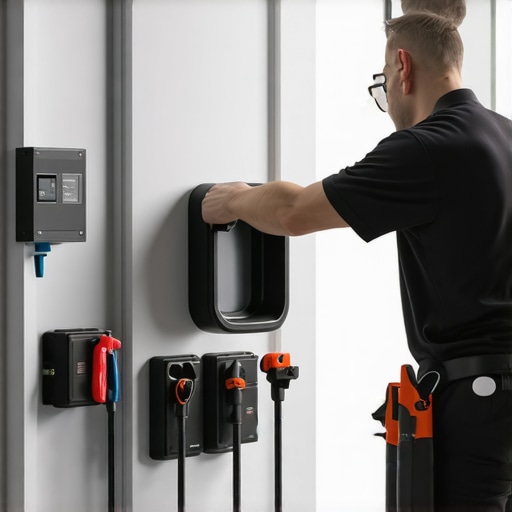
Ever had that sinking feeling when your new EV charger sparks or flickers unexpectedly? I remember the first time I wired a home charging station, thinking I knew enough. Until I didn’t. That moment of realizing I missed a critical safety step still haunts me—and it’s exactly why I’m passionate about sharing top electrician tips for safe EV charger and lighting installations. It’s not just about making things work; it’s about ensuring your home stays safe and reliable as you embrace electric vehicles and modern lighting.
Why Proper Installation Matters More Than Ever
In 2025, the push for eco-friendly homes and faster EV charging has skyrocketed. But what many homeowners overlook is that rushing installation or ignoring safety protocols can lead to dangerous electrical faults, fires, or costly repairs. According to the U.S. Fire Administration, electrical faults cause over 45,000 home fires annually. That’s a staggering number, and a large chunk can be prevented with proper setup and maintenance.
If you’re considering installing an EV charger or upgrading your lighting, it’s tempting to do it yourself or hire the cheapest electrician. Trust me, I’ve been there. Early on, I made a mistake by underestimating the importance of checking your home’s existing wiring capacity. It’s one thing to get the charger plugged in; it’s another to do it safely and efficiently. Want to avoid the pitfalls I faced? Today, I’ll walk you through essential tips that will help you install your EV charger and lighting with confidence—and most importantly, safety.
Is Cutting Corners Worth the Risk?
Many homeowners ask if they really need to follow all these electrician tips, especially when it’s just a simple upgrade. My answer? Absolutely not. Skipping safety checks or ignoring manufacturer instructions can lead to short circuits or worse. For instance, I once neglected to verify my circuit breaker’s capacity, which caused a nuisance tripping—an annoying but educational experience. The truth is, proper installation isn’t just a legal requirement; it’s a safeguard for your loved ones and your property. For a comprehensive guide on avoiding common mistakes, check out top electrician tips for troubleshooting.
If you’re feeling overwhelmed, don’t worry—this is exactly what I’ll help you navigate. From choosing the right equipment to understanding wiring codes, I’ll share practical advice that’s rooted in real-world experience. Ready to make your home safer and smarter? Let’s dive into proven strategies that will turn your installation into a project you can trust.
Assess Your Electrical System Before Starting
Begin with a thorough inspection of your existing wiring and circuit capacity. Think of your home’s electrical system as a highway; if it’s already congested or outdated, adding an EV charger or new lighting can cause traffic jams or hazards. During my first attempt to install a charger, I overlooked the total load capacity, which led to frequent breaker trips. To avoid this, turn off your main power and check the capacity of your existing circuits using a multimeter. If you’re unsure, consult a professional or review your home’s electrical panel, and for detailed guidance, visit professional EV charger setup tips.
Many homeowners believe they can cut corners when installing EV chargers or upgrading lighting systems, thinking that safety measures are just bureaucratic hurdles. However, this misconception can lead to serious risks that are often overlooked. What most people get wrong is underestimating the complexity of electrical systems and the importance of nuanced installation techniques that ensure safety and efficiency. Let’s dig deeper into these pitfalls and clarify some advanced nuances that can save you from costly mistakes.
Why Skipping Professional Inspection Can Backfire
It’s a common myth that if your home’s wiring is a few years old, it automatically needs replacement before installing an EV charger or new lighting. In reality, many assume that a simple visual check suffices. But according to electrical safety experts, like those referenced in professional setup guides, thorough load analysis and testing with specialized equipment are essential to prevent overloads and fires. Overlooking this step can result in tripped breakers, overheating, or worse, electrical fires.
Another common mistake is believing that a standard circuit breaker is always sufficient for EV chargers. Many underestimate the actual power demands—sometimes double what they initially thought. This is where advanced knowledge of your electrical panel’s capacity and proper load balancing come into play. An improperly rated breaker can trip frequently or, in the worst case, fail catastrophically, risking fire hazards. For detailed insights on this, check safe installation practices.
Advanced Mistakes That Can Catch You Off Guard
One often overlooked nuance is the significance of grounding and surge protection, especially for lighting installations in modern smart homes. Many assume grounding is a one-time setup, but in reality, it requires ongoing inspection to ensure integrity over time. Without proper grounding, even minor surges can damage sensitive electronics or cause dangerous faults. An expert approach involves regular testing and the use of surge suppressors, which many homeowners neglect.
Furthermore, a widespread misconception is that LED lighting is entirely maintenance-free. While LEDs are energy-efficient and long-lasting, improper installation—such as incorrect dimmer switches or incompatible wiring—can lead to flickering, reduced lifespan, or electrical faults. Advanced electricians use specific wiring techniques and compatible components, which are often misunderstood by DIY installers. For a comprehensive understanding, consult expert lighting installation tips.
Have you ever fallen into this trap? Let me know in the comments. Remember, the key to safe and reliable electrical upgrades is not just following basic rules but understanding the nuanced details that experts use to prevent disasters. Investing in professional guidance and continuous maintenance can make your home safer and more efficient in the long run.
Maintaining your electrical systems, especially EV chargers and lighting setups, is crucial for their longevity and reliable performance. Over time, even the best installations can encounter issues like degraded connections, dust buildup, or worn components. That’s why I rely on specific tools and routines to keep everything working smoothly.
Invest in a Quality Multimeter for Accurate Diagnostics
Personally, I use a Fluke 117 multimeter because of its precision and durability. It helps me verify voltage levels, check circuit continuity, and detect electrical faults quickly. Regular testing with a reliable multimeter ensures your circuits are functioning properly and helps catch potential problems early. For anyone serious about maintenance, I recommend a multimeter that offers true RMS readings and holds up well in various environments.
Use Thermal Imaging Cameras to Spot Hidden Problems
One game-changing tool I recommend is a thermal imaging camera like the FLIR E8. It allows you to see hotspots that might indicate loose connections, overloaded circuits, or failing components—issues invisible to the naked eye. I use this device annually during maintenance checks, especially after heavy usage or installation adjustments, to prevent fires and ensure safety. As the trend toward smarter homes continues, integrating thermal scans can help detect problems before they escalate.
Keep a Digital Log of Your Maintenance Schedule
Staying organized with a digital log helps me track when I last inspected or tested a system. I use software like Evernote, setting reminders for routine checks like tightening connections, inspecting grounding, or updating firmware in smart lighting systems. This proactive approach minimizes unexpected failures and extends equipment lifespan. With evolving technology, keeping detailed records becomes even more important for troubleshooting and future upgrades.
Automate Monitoring with IoT Devices
Looking ahead, I see a future where IoT sensors continuously monitor electrical health, alerting homeowners to anomalies instantly. Installing smart sensors that track load, temperature, and circuit integrity can automate maintenance and reduce manual checks. This technology is gradually becoming more affordable and easy to install, making long-term system health management accessible for most homeowners.
How do I maintain EV charging and lighting systems over time?
The key is regular inspections and leveraging advanced tools like thermal imaging and IoT monitoring. Checking connections, testing load capacity, and keeping firmware updated are simple yet effective steps. For comprehensive guidance, I recommend visiting top EV charger maintenance tips and adopting a routine that suits your system’s complexity. Try integrating a thermal camera into your annual checkup—you might catch a brewing issue before it causes costly damage. Keep your systems safe, efficient, and ready for the future!
The Hardest Lesson I Learned About Electrical Safety in Home Upgrades
Early in my career, I underestimated the importance of thorough load analysis. Rushing to install an EV charger without verifying my home’s existing wiring capacity led to frequent breaker trips and a scare that could have been avoided. The lightbulb moment was realizing that safety checks aren’t just bureaucratic hurdles—they are the foundation of home safety.
Why DIY Can Turn Dangerous Without the Right Knowledge
I remember attempting a lighting upgrade myself, thinking I could save money. I overlooked the significance of compatible wiring and proper grounding, which resulted in flickering lights and eventual electrical faults. This experience taught me that investing in a trusted electrician or acquiring proper knowledge dramatically reduces risks and long-term costs.
Common Mistakes That Cost More Than They Save
One of the biggest lessons was understanding the importance of surge protection and regular maintenance. I used to believe that once installed, a lighting system was maintenance-free. Now, I know consistent testing with tools like a thermal imaging camera and keeping detailed logs can prevent unexpected failures and ensure safety.
Curated Tools That Elevate My Electrical Work
- Fluke 117 Multimeter: Reliable, precise, and durable—essential for diagnostics and routine checks.
- FLIR E8 Thermal Imaging Camera: Detects hotspots and loose connections invisible to the naked eye, preventing fires.
- Smart IoT Sensors: Future-proof your system with continuous monitoring for load, temperature, and faults.
- Electrical Panel Inspection Guides: Trusted resources that help me verify capacity and compliance, avoiding overload risks.
Take Action and Power Up Your Home Safely
Now is the perfect time to embrace smarter, safer electrical upgrades. Regular inspections, investing in quality tools, and consulting trusted resources can make a significant difference. Whether you’re installing an EV charger or upgrading lighting, prioritize safety and continuous maintenance. Your home and loved ones will thank you for it. Ready to transform your electrical system into a safe haven? Let’s get started today!
Reading this post really hit home for me. I remember my first attempt at installing a new lighting fixture without proper grounding or surge protection—big mistake! It’s easy to underestimate the importance of these safety steps until something goes wrong. I’ve since invested in a thermal imaging camera and improved my maintenance routine, which has significantly boosted my confidence in handling electrical upgrades. I think one overlooked aspect is the importance of periodic inspections, especially in older homes where wiring can deteriorate even without obvious signs. Has anyone here started using IoT sensors or smart devices for continuous monitoring? I’d love to hear if they’ve made a noticeable difference in preventing issues or providing peace of mind. It’s clear that ongoing maintenance and knowledge are key to avoiding costly and dangerous problems down the line.