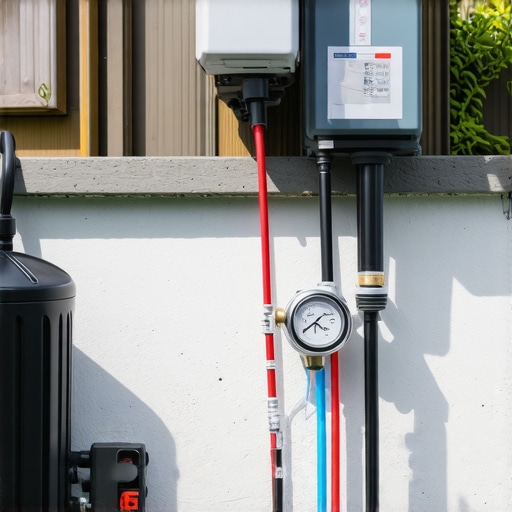
The Scent of Chlorine and Char: An Autopsy of a Pool Pump Failure
I smelled it before I even saw the equipment pad—that distinct, sickly-sweet aroma of scorched PVC insulation fighting against the heavy humidity of a coastal afternoon. In my thirty-five years of chasing electrons, that smell usually means one thing: someone is about to spend a lot of money because they ignored the silent warnings of their electrical system. We are looking at a forensic breakdown of why pool systems fail, specifically focusing on the infrastructure that keeps your backyard oasis from becoming a high-voltage hazard. When we talk about 4 pool pump electrical checks, we aren’t just talking about flipping a breaker. We are talking about the physics of resistance, the brutality of salt-air corrosion, and the precision required to keep water and electricity in their respective lanes.
I remember a ‘flipper special’ I encountered last July. A homeowner had just bought a ‘fully renovated’ waterfront property. The kitchen was white marble, but the pool equipment was a death trap. The flipper had buried a live junction box for the pool lighting and the pump feeder directly behind a decorative stone wall without a splash-proof seal. I found it with my tick tracer because the ground itself was energizing every time the pump kicked on. They had used interior-grade Romex inside a conduit that was half-filled with brackish water. It was a ticking time bomb, and the only reason no one had been shocked yet was pure, unadulterated luck. This is why we don’t let ‘handymen’ touch pool circuits. It’s not just about the motor running; it’s about the bonding jumper services that keep you alive.
1. The Integrity of the Bonding Jumper and Equipotential Grid
The most misunderstood concept in pool electrical safety is the difference between grounding and bonding. I’ve seen seasoned ‘electricians’ get this wrong, and it drives me up a wall. Bonding isn’t about clearing a fault; it’s about creating an equipotential plane. In a coastal environment, salt air acts as a bridge, allowing voltage to migrate where it doesn’t belong. If your bonding wire—that solid #8 AWG copper—is green with oxidation or snapped at a lug, you are at risk.
“The bonding grid shall be installed to reduce voltage gradients in the pool area… it is not intended to provide a low-impedance ground-fault current path.” – NEC Article 680.26
We look for ‘Cold Creep’ even in copper when lugs aren’t torqued to spec. If that bond is loose, you get ‘tingle voltage.’ When we perform bonding jumper services, we aren’t just looking at the pump; we are checking every metallic component within five feet of the water’s edge. If we find aluminum wiring repair is needed in the sub-panel feeding the pool, we use AlumiConn connectors because standard wire nuts are a fire hazard in high-vibration pump environments.
2. Grounding Electrode System and Resistance to Earth
If the bond keeps everything at the same potential, the grounding electrode install is what gives the system a reference to earth. Over time, particularly in areas with high water tables or salt-heavy soil, your ground rods can literally disappear. Electrolysis eats the copper cladding off the steel core, leaving you with a rod that has the conductivity of a dry stick. During a rough-in for a new pool service, I always check the soil resistivity. If your ground rod has failed, a surge from a summer lightning storm won’t have a path to dissipate, and it will choose your pump’s motor windings as the path of least resistance. This is often the root cause of those holiday emergency calls when a storm knocks out the pool filter right before a barbecue. We don’t just hammer a rod in and leave; we verify the ohms. If you’re seeing flickering lights or strange behavior in your outdoor lighting installations, your ground might be the culprit. You can learn more about how we handle these issues in our guide to lighting troubleshooting.
3. Underground Wiring Services: The Hidden Decay
Most pool failures happen underground. Whether it’s underground wiring services for the main pump or dock electrical services for a boat lift, the conduit is a hostile environment. We see ‘Monkey Shit’ (duct seal) missing from the ends of conduits, allowing moisture to travel directly into the motor’s connection box. Once moisture hits those terminals, you get arcing. Arcing creates heat. Heat creates more resistance. It’s a death spiral for your equipment. If your home is older, you might still have cloth insulated wiring replacement needs. Cloth insulation and water are like gasoline and matches. I’ve pulled out sections of underground wiring that looked like they had been chewed on by a demon, but it was just years of heat expansion and contraction nicking the insulation against a sharp PVC burr. This is why a professional trim-out matters—deburring conduit and using the right lubricants prevents these micro-nicks that turn into home runs of failure later.
4. Drone Thermography Scans: The Forensic Future
We’ve moved past just using a Wiggy or a multimeter. To truly prevent a 2026 failure, we now utilize drone thermography scans and drone light inspections. A drone equipped with a thermal camera can fly over your pool deck and equipment pad, identifying heat signatures that are invisible to the naked eye. If a bonding jumper is under high resistance, it will glow like a lightbulb on the thermal map. We can see a hot spot in a breaker before it trips or even smells. This is especially critical for large properties with extensive dock electrical services where manual inspection of every junction would be impossible.
“Aluminum wire connections can overheat and cause a fire without tripping the circuit breaker.” – CPSC Safety Alert 516
By using thermography, we catch the oxidation layers building up on aluminum wiring or loose neutrals before they cause a total system meltdown. This level of preventative maintenance is similar to how we approach EV charger maintenance; it’s about seeing the invisible threat.
Ensuring Safety Beyond the Pool
Your pool isn’t an island. It’s part of a larger ecosystem that includes your home’s main panel and often new additions like EV chargers. If your main service is taxed, adding a high-draw pool pump can be the tipping point. We often see homeowners trying to DIY their way through a home EV charging setup while their pool pump is already pulling the lions share of the available 100-amp service. This leads to tripped breakers and, eventually, bus bar damage. Furthermore, if your pool area serves as a path to a guest house or a public-access dock, you must ensure your emergency exit lighting is up to code and functional, even if the main pump circuit faults. Don’t wait until the water turns green or you feel a zap to call us. Whether it’s a holiday emergency call or a routine safety check, treat your electrical system with the respect it demands. If you have questions about your specific setup, you can always contact us for a forensic evaluation. We’d rather find the problem with a thermal camera today than find it with a fire extinguisher tomorrow.