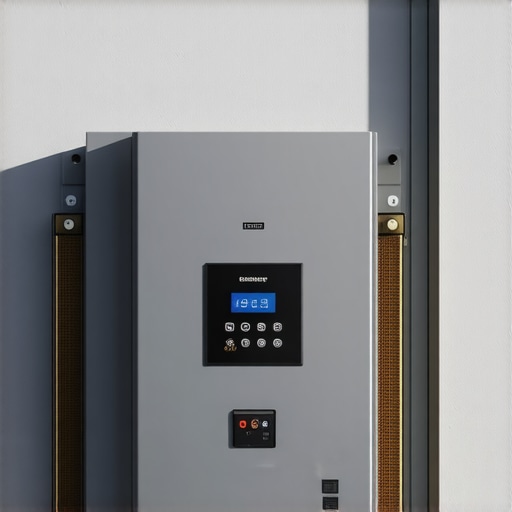
The Scent of a Melting Panel: Why Your 200-Amp Service is Panting
I walked into a ‘luxury’ renovation last November where the owner complained of a faint fishy smell in the mudroom. I didn’t even need my Wiggy to know what was happening. I opened the panel door and the heat hit me like an open oven. The flipper had installed a massive sauna heater installation and three high-speed EV chargers on a standard 200-amp bus bar. He’d literally used monkey shit (duct seal) to try and hide the scorched insulation where the main lugs were starting to liquefy. This wasn’t just a code violation; it was a countdown to a structure fire. This is the reality for homeowners pushing 2026 tech into 1990s infrastructure.
The Load Calculation: Why 400 Amps is the New Standard
For decades, a 200-amp service was the gold standard. But as we look toward 2026, the ‘Smart Home’ isn’t just about smart thermostat wiring and CAT6 cabling services. It’s about total electrification. When you factor in an induction range, a heat pump water heater, two Level 2 EV chargers, and perhaps a backyard ADU, your main disconnect services are screaming for mercy. Resistance creates heat. Heat creates oxidation. Oxidation leads to a 24 hour emergency electrician calling you back at 3 AM while your siding melts.
“Overloaded electrical systems are a leading cause of residential fires, often due to equipment being pushed beyond its rated capacity.” – CPSC Safety Alert
Component Zooming: The Physics of the 400A Bus Bar
When we talk about a 400-amp ‘heavy-up,’ we aren’t just swapping a box. We are looking at the underground wiring services and the physical mass of the copper. A 400-amp service usually utilizes a ‘class 320’ meter or dual 200-amp panels fed from a massive home run. The physics of Skin Effect and Thermal Expansion come into play here. In a 400-amp system, the bus bars are significantly thicker, providing more surface area to dissipate the heat generated by the continuous draw of modern appliances. If you’re still clinging to a system with knob and tube removal needs, you’re not just behind the times; you’re operating a widow maker.
The Harmonic Filter: Protecting 2026 Electronics
Smart homes are packed with ‘non-linear’ loads—LED drivers, variable speed motors, and high-end servers. These create ‘harmonics’ that can overheat your neutral wire even if your breakers aren’t tripping. This is where harmonic filter services become essential. In a 400-amp build, we have the physical space to integrate these filters, ensuring that your expensive lighting installations made easy aren’t fried by dirty power. You can learn more about proper lighting setup and why clean power matters for longevity.
The Infrastructure Context: From Phone Lines to CAT6
I’ve seen guys spend $50k on a home theater but refuse to upgrade a service mast that’s rusting off the side of the house. In 2026, your phone line installation is a relic, replaced by 10-gig CAT6 cabling services. These low-voltage systems are incredibly sensitive to electromagnetic interference (EMI). A cramped, overloaded 200-amp panel generates a massive magnetic field that can degrade your data speeds. By moving to a 400-amp entrance, we separate the high-draw ‘dirty’ circuits (like that sauna heater installation) from the sensitive electronics.
“Electrical conductors must be installed in a neat and workmanlike manner.” – NEC Article 110.12
Flood Water and Safety: The Forensic View
If you live in a low-lying area, flood water electrical safety is your primary concern. A 400-amp service allows us to mount equipment higher and use more robust underground wiring services with specialized moisture-rated insulation. When I do a forensic inspection after a storm, I look for the ‘tide mark’ on the panel. If your main disconnect was submerged, it’s garbage. A 400-amp upgrade is the perfect time to relocate the service to a high-and-dry location. For those dealing with current equipment failures, checking EV charger troubleshooting can often reveal systemic issues with the home’s main service.
The Cost of Hesitation
Is it worth it? If you plan on ensuring safe and efficient EV charging station setup, then yes. A single charger can pull 48 amps continuously. Two chargers, a dryer, and an A/C unit, and you’ve already hit 80% of a 200-amp panel’s ‘rule of thumb’ capacity. I’ve spent my life with dikes in my hand, cutting out charred Romex that failed because someone thought 200 amps was ‘plenty.’ Don’t be the homeowner who waits for the smell of ozone. If you are planning a 2026-ready home, contact a professional for a real load calculation, not a guess. You’ll sleep better knowing your lugs are torqued and your bus bars are cool. “
Reading this post really underscored the importance of upgrading to a 400-amp service as part of modern home renovations, especially with all the new tech being integrated now and in the near future. Around here, I’ve seen a few homeowners hesitant to invest in the upgrade, often because of the upfront cost or simply a lack of awareness about the risks of overloading a 200-amp system. It’s clear that pushing the limits of a 200-amp panel can lead to dangerous scenarios like overheated wiring or even fires, especially when high-demand devices like EV chargers, heat pumps, and large appliances are involved. I appreciate the detailed breakdown of the physics behind bus bars and the importance of space and proper filtering — it’s fascinating how much engineering goes into these systems to keep them safe. For homeowners, I’d recommend starting with a thorough load calculation early in their planning process so they’re not caught off guard down the line. Has anyone experienced issues with overloading or had to do an emergency upgrade? Would love to hear more real-world stories on that.