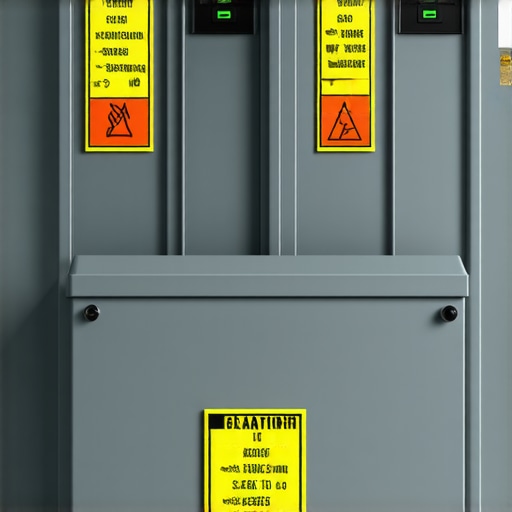
The Invisible Fire: Why Your 2026 Workshop Might Be a Death Trap
When I walk into a garage converted into a workshop, I don’t look at the fancy CNC machines or the table saws. I look at the wall. Specifically, I’m looking for that subpanel—the grey box that’s supposed to manage the lifeblood of your hobby. Most homeowners see a metal door; I see a forensic history of shortcuts and physics gone wrong. If your home was built between 1960 and 1980, you aren’t just dealing with outdated tech; you’re dealing with a ticking clock. Electricity doesn’t forgive, and it certainly doesn’t care about your weekend project. By the time you smell the ozone or see the lights dip when the dust collector kicks on, the damage is often deep inside the lungs of your electrical system.
“Aluminum wire connections can overheat and cause a fire without tripping the circuit breaker.” – CPSC Safety Alert 516
The Old Timer’s Lesson: The Sin of the Nicked Copper
My first journeyman was a man who could tell the voltage of a circuit by the sound the arc made. He was a hard man to please. I remember a rough-in back in ’89; I was stripping back some Romex for a home run to the load center, using a pocket knife because I couldn’t find my dikes. He didn’t say a word—he just walked over and slapped my hand so hard I dropped the tool. ‘You nick that copper, kid, you just created a hot spot,’ he growled. ‘In ten years, when that wire is buried behind drywall and carrying a full load, that tiny scratch is where the resistance starts. That’s where the fire begins.’ He was right. Every time I perform a forensic inspection on a failed subpanel today, I see the ghosts of those nicks and improper torques. In the world of 2026 home shops, where we are pushing more amps than ever through old infrastructure, these minor sins become mortal ones.
Warning Sign #1: The Brand Shaming of Legacy Load Centers
If you open your subpanel and see the name ‘Federal Pacific’ or ‘Zinsco,’ you don’t have an electrical system; you have a liability. These brands are the pariahs of the industry for a reason. The Federal Pacific ‘Stab-Lok’ breakers are notorious for a ‘no-trip’ failure rate that would make a statistician sweat. When a circuit overloads, the breaker is supposed to snap open. These beauties? They jam. They stay closed while the wire insulation melts into a toxic puddle. For a modern shop requiring load center upgrades, keeping one of these is pure negligence. I’ve seen bus bars in Zinsco panels where the clip-on design caused such severe arcing that the metal looked like it had been hit by a plasma cutter. If you’re planning on adding hot tub wiring services or heavy machinery to an old panel, you are begging for a structural fire. This isn’t an upsell; it’s a survival tactic. You need a 100 amp service upgrade that actually functions when the physics of a short circuit demand it.
Warning Sign #2: The Physics of Cold Creep in Aluminum Feeders
Many subpanels installed in the mid-century era used aluminum feeders to save on cost. While aluminum is a fine conductor if handled correctly, it suffers from a phenomenon known as ‘Cold Creep.’ Think of it like this: every time you run your shop heater or a heavy lathe, the aluminum wire heats up and expands. Because it’s a softer metal than copper, it pushes against the steel lugs of the breaker. When you turn the power off, the wire cools and contracts. Over hundreds of cycles, the wire actually ‘creeps’ out of the connector. This creates a microscopic gap. Oxygen moves into that gap and reacts with the aluminum to create aluminum oxide—a material that is a fantastic insulator but a terrible conductor. Now you have high resistance in a high-current path. The heat climbs, the lug glows, and eventually, the whole subpanel becomes a furnace. Aluminum wiring repair isn’t just about twisting on a wire nut; it requires specialized AlumiConn connectors or COPALUM crimps that stabilize the junction. Without it, your 2026 shop is running on borrowed time.
Warning Sign #3: The Bootleg Ground and the Widow Maker
In the rush to get a ‘fully functional’ shop, I often see the most dangerous hack in the trade: the bootleg ground. This happens when a DIYer or a cut-rate handyman finds an old two-wire circuit with no ground wire and ‘bonds’ the neutral screw to the ground screw on a new outlet. It makes your tick tracer or outlet tester show a green light, but it’s a lie. If that neutral wire ever breaks upstream, the entire metal casing of your drill press or table saw becomes ‘hot’ at 120 volts. I call it the Widow Maker. In a shop environment with concrete floors, you become the path to ground. A proper subpanel installation requires a clean, isolated neutral and a dedicated grounding electrode system. This is especially critical for spa grounding services or driveway sensor lights where moisture is involved. If your shop isn’t properly bonded, you aren’t safe.
“All equipment grounding conductors shall be identified by a continuous green color or by being stripped of insulation.” – NEC Article 250.119
The Solution: Future-Proofing with Precision
Don’t wait for the flicker. If you’re upgrading for 2026, you need to think about the total load. Are you planning for an EV charger? Check out these expert tips to fix common issues before you bury your cables. If you’re doing a full home EV charging station setup, that load calculation becomes even more vital. We recommend a surge protector installation right at the subpanel to protect those expensive CNC boards from utility spikes. Whether it’s Christmas light services pulling heavy seasonal loads or an outlet switch repair that turned into a forensic nightmare, the answer is always the same: torque it to spec, use the right materials, and respect the copper. Warranty backed repairs aren’t just a marketing slogan; they are your insurance that a Master Electrician checked the lugs with a Wiggy and ensured your home won’t be a headline in the morning news.