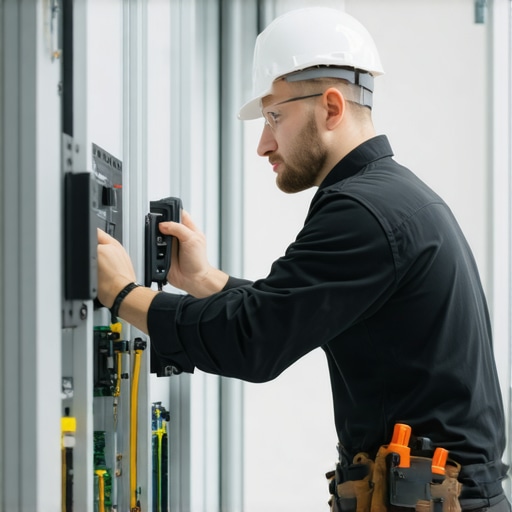
There I was, fumbling in the dark during a dinner party at my own house, trying to fix a flickering kitchen light that stubbornly refused to cooperate. Frustration bubbled up as I realized I was in over my head — yet again. That moment made me think, how often do we rely on our home’s electrical systems without truly understanding them? It’s a feeling many of us can relate to — the chaos when lighting flickers or an EV charger simply won’t charge. But I learned that with a bit of guidance and patience, troubleshooting and installing smart lighting and EV chargers can become manageable, even empowering, tasks.
Why Understanding Your Home’s Electrical System Really Matters
In the age of smart homes and electric vehicles, reliable electrical setups aren’t just a luxury—they’re a necessity. A poorly installed or faulty lighting system can turn a cozy evening into a safety hazard, and an malfunctioning EV charger can disrupt your eco-friendly plans. According to a recent survey by the Electrical Safety Foundation International, electrical failures are a leading cause of residential fires, underscoring the importance of proper installation and troubleshooting. So, whether you’re flickering bulbs or dealing with a charging station that refuses to cooperate, understanding how to tackle these issues head-on is crucial.
Early in my journey, I made the mistake of assuming that replacing a bulb or resetting a breaker would solve every problem. Trust me, that’s often not enough. I learned to dig a little deeper, check connections, and recognize signs of wiring issues. For anyone venturing into smart lighting or EV charger setup, that mistake was a wake-up call. I’ve since compiled tips and insights that can help you avoid the pitfalls I fell into.
If you’ve experienced similar frustrations or want to ensure your electrical systems are safe and reliable, you’re in the right place. In the sections ahead, I’ll walk you through practical steps, common pitfalls, and expert advice to keep your home bright and your vehicle charged efficiently. And if you’re curious about smart electrical installations, be sure to check out this guide for professional tips.
IsIt Worth the Fuss or Just a Fluke?
Many homeowners worry that troubleshooting might be complicated or dangerous. From my own experience, it’s often a safe DIY task when approached cautiously. But I admit, I once ignored a minor flicker, thinking it was just a bulb. That turned out to be a warning sign of a loose connection that could have sparked a fire. I learned that early action with the right knowledge makes all the difference.
So, before you dismiss that strange flicker or that charging halt, ask yourself — have I properly diagnosed the problem? The good news is, with the proper guidance, troubleshooting can become a straightforward process rather than a daunting chore. And remember, when in doubt, consulting a professional is always the safest bet. If you’re interested in quick tips, explore expert advice on lighting troubleshooting.
Ready to take control of your home’s electrical health? Let’s dive into the practical steps that can save you time, money, and stress—and light up your home safely and efficiently.
,
Start with a Visual Inspection to Catch the Obvious
Recall when I first faced a stubborn flickering kitchen light, I didn’t jump straight into testing equipment. Instead, I examined the bulb, socket, and wiring connections. This step is crucial because often issues stem from loose bulbs or marginal contact points. Gently tighten bulbs or replace faulty ones, and look for any signs of damage or corrosion. Think of this as your home’s version of a quick eye check—simple but essential before deeper diagnostics. For more detailed guidance, check out professional lighting troubleshooting tips.
Use a Multimeter to Find Hidden Electrical Faults
After the obvious issues are cleared, I use a multimeter to measure voltage across suspected circuit components. For example, if a light flickers intermittently, I test voltage at the switch and fixture. A reading below the voltage standard indicates a poor connection or wiring issue. Think of this tool as your electrical stethoscope, helping you listen to your home’s heartbeat. Remember, safety first: turn off power before testing, and consider consulting a professional if you’re uncomfortable with electrical work. For detailed multimeter methods, visit electrician troubleshooting techniques.
Check and Reset Circuit Breakers and GFCIs
Sometimes, problem lights or chargers stop working because a breaker trips or a GFCI outlet flips off. I recommend turning off the suspected breaker, waiting 30 seconds, then flipping it back on to reset. For GFCIs, press the reset button firmly. This is akin to rebooting your home’s electrical system. If the breaker trips again immediately, or the outlet doesn’t reset, it indicates a deeper wiring problem or overload. For specific troubleshooting steps, see electrician’s guide to breaker issues.
Test and Confirm Voltage with a Voltage Tester
For quick checks, a voltage tester offers instant feedback. Insert the probe into the outlet or fixture socket; a bright indicator or a beep signifies voltage presence. If your tester shows no voltage where there should be some, the problem lies upstream—wiring or switch issues. Using this simple device saves time and helps confirm suspicions before dismantling fixtures or wires. For in-depth testing techniques, explore EV charger troubleshooting tips.
Isolate the Faulty Segment Step-by-Step
To prevent unnecessary work, I isolate sections by disconnecting or bypassing components to locate the fault. For example, when a particular light fixture flickers, I disconnect it and test the circuit. If the flickering stops, I know the issue is with that fixture or its wiring. This process is like peeling an onion—layer by layer—until you find the core fault. Document your findings to inform whether professional help is needed or if you can proceed with replacements. Read more on this technique at step-by-step lighting troubleshooting.
Inspect and Replace Worn Components Responsible for Charging Failures
When troubleshooting EV chargers, I examine the cables, connectors, and power modules for signs of wear, corrosion, or damage. For example, I replaced a frayed cable that caused inconsistent charging. Think of this as changing a worn-out conveyor belt—new parts restore efficiency. Ensure that connectors are clean and firmly attached. If issues persist, testing the outlet’s voltage and grounding can reveal further faults. For effective EV charger fixes, refer to expert EV troubleshooting tips.
Verify Grounding and Bonding for Safety and Functionality
Proper grounding prevents electric shock hazards and ensures charging stations and lighting operate correctly. Using a multimeter or a specialized tester, I confirm that the grounding system has low resistance—ideally less than 25 ohms. If grounding is faulty, I recommend contacting a professional to correct the wiring. This step is like checking the foundation of a building—crucial for safety and stability. For detailed grounding inspection procedures, see electrician safety tips.
Track and Fix Faulty Switches and Dimming Controls
Sometimes, switches are the culprits behind flickering lights or inconsistent charging indicator signals. I test switches by toggling them repeatedly, observing for loose or unresponsive action. If a switch feels loose or produces sparks, I replace it immediately to prevent future hazards. For dimmer switches, ensure they are compatible with LED lights or smart chargers, as incompatible controls can cause flickering or damage. For detailed switch troubleshooting, visit lighting troubleshooting expert advice.
Document Your Findings and When to Seek Help
Keep notes on what tests you perform, what parts you replace, and what patterns emerge. This documentation helps in case of recurring issues or when consulting professionals. Remember, some problems—like hidden wiring faults or complex grounding issues—require a licensed electrician. When in doubt, reach out via our contact page. Safety and accuracy should always come first during troubleshooting.Many homeowners and DIY enthusiasts operate under a set of misconceptions about EV charger and lighting installations that can jeopardize safety and performance. One prevalent myth is that standard household wiring is always sufficient for high-demand EV chargers. In reality, many installations require dedicated circuits with proper load calculations, or you risk overloading your system and causing fire hazards. Professional electricians, who master the nuances of electrical load management, typically perform thorough assessments, which is crucial for safe and efficient setups. For instance, experts emphasize the importance of proper grounding and bonding to prevent electric shocks and comply with safety standards, as highlighted in a recent study by the National Fire Protection Association. Overlooking these details can lead to costly damages or safety issues. Another common mistake involves assuming that cheap or generic components will last as long as branded, certified parts. This can lead to frequent failures, especially in demanding environments like garages or outdoor spaces. Advanced troubleshooting often reveals that worn-out connectors or corroded wiring are behind issues that seem simple at first glance—so always inspect and replace components with high-quality, compatible parts. Furthermore, many believe that once an EV charger is installed, it requires little ongoing maintenance. In fact, regular checks—including inspecting cables, cleaning contacts, and verifying ground connections—are essential to keep the system performing optimally. Neglecting these can decrease charger lifespan and increase safety risks. A particularly insidious trap is underestimating the importance of correct circuit breaker sizing. Installing a breaker with too high a rating can mask potential wiring faults, leading to undetected overloads. Conversely, too low a rating may trip unnecessarily, disrupting your charging routine. Advanced practitioners know that correct breaker sizing and proper wiring gauge are vital, and consulting established guidelines or professionals can save headaches. These nuanced understanding points are what separate amateur installations from professional ones. Don’t fall into simplistic assumptions; instead, learn to recognize the subtleties that impact safety and reliability. Want to explore these advanced details further? Check out our guide on ensuring safe and efficient EV charging station setup or connect with a qualified electrician for personalized advice. Using the right knowledge helps you avoid costly repairs and keeps your home safe—so stay sharp. Have you ever fallen into this trap? Let me know in the comments.
How do I maintain my electrical systems over time?
Proper maintenance is key to ensuring your EV charger and lighting setups stay reliable and safe for years to come. Over time, dust, dirt, and everyday wear can impair connections and obscure indicators of impending problems. Having the right tools at your disposal makes routine inspections more efficient and effective. I personally rely on a high-quality digital multimeter, a non-contact voltage tester, and a specialized grounding tester for maintenance. The multimeter is my go-to device for checking voltage levels and continuity. I use it regularly to verify that circuits are functioning within specified parameters, especially after any repairs or upgrades. The non-contact voltage tester allows me to swiftly confirm the presence of voltage without touching wires, making quick assessments safer and faster. I recommend models with auto-range and LED indicators for clarity. Grounding testers are vital for confirming that your grounding system is functioning properly, which directly affects safety and the longevity of your installations. As electrical systems evolve, especially with increasing smart integrations, testing and maintenance also involve ensuring firmware and software are up to date. I use professional-grade software, like Fluke’s Connect system, which links multimeter data to my smartphone for detailed logging and trend analysis—ideal for spotting patterns before they escalate into failures. Looking ahead, I predict that advancements in predictive maintenance, powered by IoT sensors, will make ongoing system health monitoring even more seamless, reducing downtime and preventing costly repairs.
Choosing the right tools for ongoing troubleshooting
Investing in dependable equipment isn’t just about immediate fixes; it’s about fostering long-term system health. For instance, I always keep a durable, insulated pair of pliers and a set of screwdrivers rated for electrical work in my toolkit. These tools help with component removal and installation, reducing the risk of accidental shorts. When inspecting connectors and contacts, I utilize a small, detailed inspection mirror to reach awkward spots, ensuring no corrosion or looseness is overlooked. Additionally, having a thermal camera allows me to spot hotspots indicating overloaded or faulty wiring—all before they become serious safety hazards. Such proactive inspections significantly decrease the chances of emergency repairs and extend the lifespan of components.
For detailed guidance on troubleshooting common issues and maintaining your electrical infrastructure, I recommend visiting this professional resource. It’s a comprehensive source for both DIY troubleshooters and those seeking professional insights.
Future trends in electrical maintenance
As smart technology continues to integrate with home electrical systems, maintenance will soon involve managing networked devices, firmware updates, and predictive diagnostics. Advanced sensors embedded in EV chargers and lighting fixtures will constantly monitor performance, alerting homeowners or technicians to issues long before they manifest visibly. This evolution will not only enhance safety but also optimize performance and reduce operational costs. I encourage you to try upgrading to a smart monitoring system—it’s an investment that pays off by catching small problems early and minimizing downtime.
To help you kickstart this process, explore reliable solutions for safe EV charging station setup. Implementing these advanced maintenance techniques can make a substantial difference in the longevity and safety of your systems.
Avoiding the Pitfalls of Assumptions in Electrical Work
One of my hardest lessons was realizing that a simple flickering light might signal deeper wiring issues, not just a faulty bulb. Prematurely replacing bulbs or resetting breakers without thorough checks can mask more serious underlying problems. Trusting your instincts and conducting comprehensive diagnostics is key—sometimes a problem that appears minor is a symptom of a major wiring fault. For insights on detailed troubleshooting techniques, visit this electrician’s troubleshooting guide.
How Underestimating Component Wear Risks Safety
I learned the hard way that worn-out connectors or corroded wiring often cause intermittent issues in EV chargers and lighting. Regular inspection, especially of aged components, prevents unexpected failures and safety hazards. Recognizing early signs—like discoloration, corrosion, or loose connections—can save time and money down the line. When in doubt, consulting a professional to assess your setup ensures reliability and safety. Check out top maintenance tips for EV chargers to keep your system at peak performance.
Why Grounding Isn’t Just a Regulations Thing
Proper grounding and bonding are fundamental to safety and system longevity, yet they’re often overlooked. I discovered that even minor grounding faults can lead to severe safety issues, including electric shocks or damage to sensitive electronics. Using a multimeter or specialized tester to verify low-resistance grounding is an essential step I now never skip. For comprehensive safety checks, explore this expert guide.
Small Devices, Big Impact in Troubleshooting
Sensors, thermal cameras, and non-contact testers transformed my approach from guesswork to precision. These tools help identify hidden hotspots, subtle wiring issues, or loose connections before they escalate. Investing in quality equipment makes routine maintenance more efficient and safer. As technology advances, I anticipate smart diagnostic tools becoming standard—making electrical troubleshooting more accessible and foolproof for homeowners. For detailed tool recommendations, see this electrician-approved toolkit guide.
Action Steps for Peace of Mind in Electrical Safety
The biggest takeaway? Never overlook small signs or dismiss persistent issues. Regular inspections, proper testing, and timely component replacements safeguard your home and vehicle. Keep a detailed log of maintenance activities to track recurring problems—this habit can reveal patterns that indicate systemic issues. If the process feels overwhelming, professional help is just a click away through our contact page. Prioritizing safety and accuracy ultimately preserves your peace of mind, ensuring your lighting and EV charging systems serve reliably for years to come.
The Hardest Lesson I Learned About EV Charger and Lighting Troubleshooting
- Don’t assume that high-quality equipment alone solves all problems: Proper installation, regular maintenance, and understanding your home’s electrical capacity are crucial. Relying solely on premium components without routine checks can lead to overlooked faults.
- Overconfidence is a trap: Jumping into repairs without diagnostics can cause more damage—always verify the root cause first. Learn from my experience and utilize diagnostic tools to guide your actions.
- Grounding is more than a checkbox: Neglecting grounding and bonding can jeopardize safety and system reliability. Regular tests ensure your home is protected against unforeseen faults.
- Stay curious about emerging tech: Future trends like IoT sensors and predictive diagnostics will simplify maintenance, but staying informed is key to leveraging these innovations effectively.
- Documentation saves headaches: Keep detailed records of inspections, repairs, and component age—this habit helps in troubleshooting future issues and communicating with professionals.
Where to Go from Here
If you’re eager to deepen your understanding, I recommend exploring how experienced electricians handle troubleshooting. Remember, a proactive approach—combining good tools, regular testing, and professional consultation—is your best defense against electrical problems. Embrace the learning process, stay vigilant, and your home will remain a safe, efficient haven for years. What has been your biggest challenge in troubleshooting your home’s electrical systems? Share your story below to help others learn from your experience.
,